When I was growing up in Chiang Mai, you could count the international schools on one hand.
My older brother went to Chiang Mai International School — the very first international school in the city, founded in 1954 to serve the children of missionaries. My sister and I were enrolled at Nakornpayap International School, back on its old campus. I distinctly remember when NIS was working toward its WASC accreditation — a big deal at the time. And I remember when Lanna International opened, because suddenly there were enough schools in the city to host our own inter-school soccer tournament.
That was then. Today, within a five-minute drive of where we live in Hang Dong, there are nine different international schools. We can walk to several of them. And that's just one corner of one district. This guide covers 23 international, bilingual and early-years options across the city — and new schools are still opening.
So if you're moving to Chiang Mai with kids who need an international education, you're well covered. The harder problem isn't finding a school. It's figuring out which one is right for your family.
Where I’d start: CMIS or NIS for an established American/AP route; Lanna for British qualifications; Prem for IB or boarding; Panyaden if its Buddhist approach is part of the appeal. For a lower budget, compare ABA for bilingual education and Grace if your family meets its Christian-worker admissions criteria. Then let the school run narrow the list.
Make your own shortlist
Explore 23 schools, save up to three and compare the details that matter to your family.
We compare the published fees, academic routes and locations, then look at what parents, former students and teachers actually report. Some schools have useful public feedback; others have very little. We show the difference. The aim is a shortlist you can act on before committing to a school place or a lease.
A brief history of international education in Chiang Mai
Chiang Mai's international school scene has surprisingly deep roots. Chiang Mai International School (CMIS) has been operating since 1954, founded by missionaries from the Church of Christ in Thailand to serve the children of international Christian workers — a demographic that still makes up a significant portion of Chiang Mai's expat community today. For decades, it was essentially the only option.
Nakornpayap International School (NIS) followed in 1993 as the city's first secular international school, and Lanna International opened around the same time. Later in the '90s, Grace International joined the picture with a similar mission-driven focus to CMIS.
That cohort of founding schools served Chiang Mai for years while the city remained a relatively quiet northern outpost. The expansion accelerated in the 2010s as Chiang Mai emerged as a hub for digital nomads, remote workers, and families seeking an alternative to Bangkok's cost and density. Growth has also been driven by increasing demand from Thai families choosing international education over traditional private schools. The result: a market that has grown rapidly and is still adding options — Mill Hill International opened its first year in 2025.
Understanding the curricula
Before you look at a single school, you need a working understanding of the curriculum systems. This is the first and most important filter.
British / Cambridge
The most common curriculum in Chiang Mai. Students work toward Cambridge qualifications: IGCSEs (ages 14–16) and A-Levels (ages 16–18), recognised by universities worldwide. British-curriculum schools tend to emphasise analytical writing and depth over breadth. If your child may return to the UK or attend a UK university, this is the natural fit. American and European universities accept it widely.
American / AP
Follows US standards, typically culminating in Advanced Placement (AP) courses in high school. Broader and somewhat less specialised than British A-Levels — students take more subjects through their senior year. If your family is US-based and your child will likely enter the American university system, this is the cleaner path. CMIS, NIS, Grace, and APIS are the main American-curriculum schools in Chiang Mai.
IB — International Baccalaureate
A Swiss-designed curriculum with four programmes: the Primary Years Programme (PYP, ages 3–12), Middle Years Programme (MYP, ages 11–16), Diploma Programme (DP, ages 16–19), and Career-related Programme (CP, offered at Prem). The IB Diploma is recognised by universities globally and known for academic rigour and a genuinely international outlook — the curriculum of choice for highly mobile families with no strong tie to a single national system. Note: a full IB continuum (PYP through DP) is rare; verify which programs a school is actually authorised to offer.
Chinese-emphasis / trilingual
Worth flagging as its own category given Chiang Mai's growing Chinese expat population. ACIS (Americana Chinese International School) and SISB (Singapore International School) both offer Chinese as a core language alongside English and Thai — not as an elective, but woven into the academic program. ACIS is an official HSK and YCT Chinese proficiency test center. SISB follows the Singapore national curriculum, which itself has a strong Mandarin component. For Chinese families who want their children to maintain language proficiency while earning an internationally recognised qualification, these are the most natural fits in the city.
German curriculum
Chiang Mai Deutsche Schule (CDSC) is the only German-curriculum school in northern Thailand, operating since 1994 in partnership with the German embassy, and holds the "Excellent German School Abroad" designation. If you're a German-speaking family with plans to return to the German system, this is your option.
French curriculum
Windfield International operates a French national curriculum school for ages 2–12. If you're a French-speaking family or planning a return to France, it's the only option in the city — and it only goes to primary level, so you'll need a plan for secondary.
Singapore curriculum
SISB Chiang Mai follows the Singapore national curriculum in the primary years before transitioning to Cambridge IGCSE and A-Levels at secondary. The Singapore curriculum is rigorous, particularly in mathematics, and widely respected for university pathways across Asia.
Bilingual / Thai-English
Several schools operate bilingual programs that blend Thai and English instruction. These follow more of the Thai national curriculum with international elements layered on — fees are considerably lower. Worth considering if your children are young and you plan a long stay, or if budget is a real constraint. Ambassador Bilingual Academy and Tonkla School are the main examples in this category.
Many schools blend more than one curriculum, so the directory below groups them by their primary academic pathway.
Where are the schools located?
Most international schools in Chiang Mai are located south and southwest of the Old City, spreading out into the Hang Dong, Mae Hia, and Saraphi districts. This matters practically — if you're choosing a neighborhood, school location should be a major factor in where you rent. Our guide to the best neighborhoods for expat families explains why Hang Dong in particular has become the default choice for families with school-age kids, and covers Tha Sala and San Phi Sua as well.
If you want school locations on a map alongside other family-friendly amenities — moobans, hospitals, markets, cafés — the Chiang Mai Relocation Map Pack puts them together in one ready-to-save set.
A few worth flagging geographically:
- Hang Dong / southwest: Lanna and SBS in Ban Waen, Panyaden in Nam Phrae, and Grace in Harn Kaew. Check the exact campus and entrance — Hang Dong covers a large area.
- San Phi Sua / northeast: NIS
- East of the city: ACIS and UCIS in the eastern residential belt; CMIS is in Wat Ket, near the Ping River.
- Near the Old City: SISB (Si Phum district)
- North of the city: Prem Tinsulanonda — a beautiful campus in the Mae Rim hills, but notably further from most expat residential areas; factor in the commute
- Doi Saket / northeast ring road: Mill Hill International
Bus availability varies and is not universal. Always confirm with the school directly.
One focused hour, $149, money-back guaranteed — schools, neighborhoods, commutes and costs, against your actual situation.
Book a consultationWhat families say
Public feedback checked 9 October; school facts and fees updated 16 October 2026. We keep parent, student and staff accounts separate, date older experiences and count repeated reviews once. The notes below draw on school directories, parent forums and local reporting; anonymous accounts are not independently verified enrolment. Where the useful feedback is thin, we say so.
Older-campus comments and early-years praise have limits for today’s secondary decision. Google also disables reviews for general-education school listings serving ages 6–18, so a missing Google rating tells you little about satisfaction.
Complete school directory
The summaries below include published tuition and the costs or admissions limits most likely to change your decision. The full fee comparison is below; older figures and third-party estimates are labelled.
American curriculum
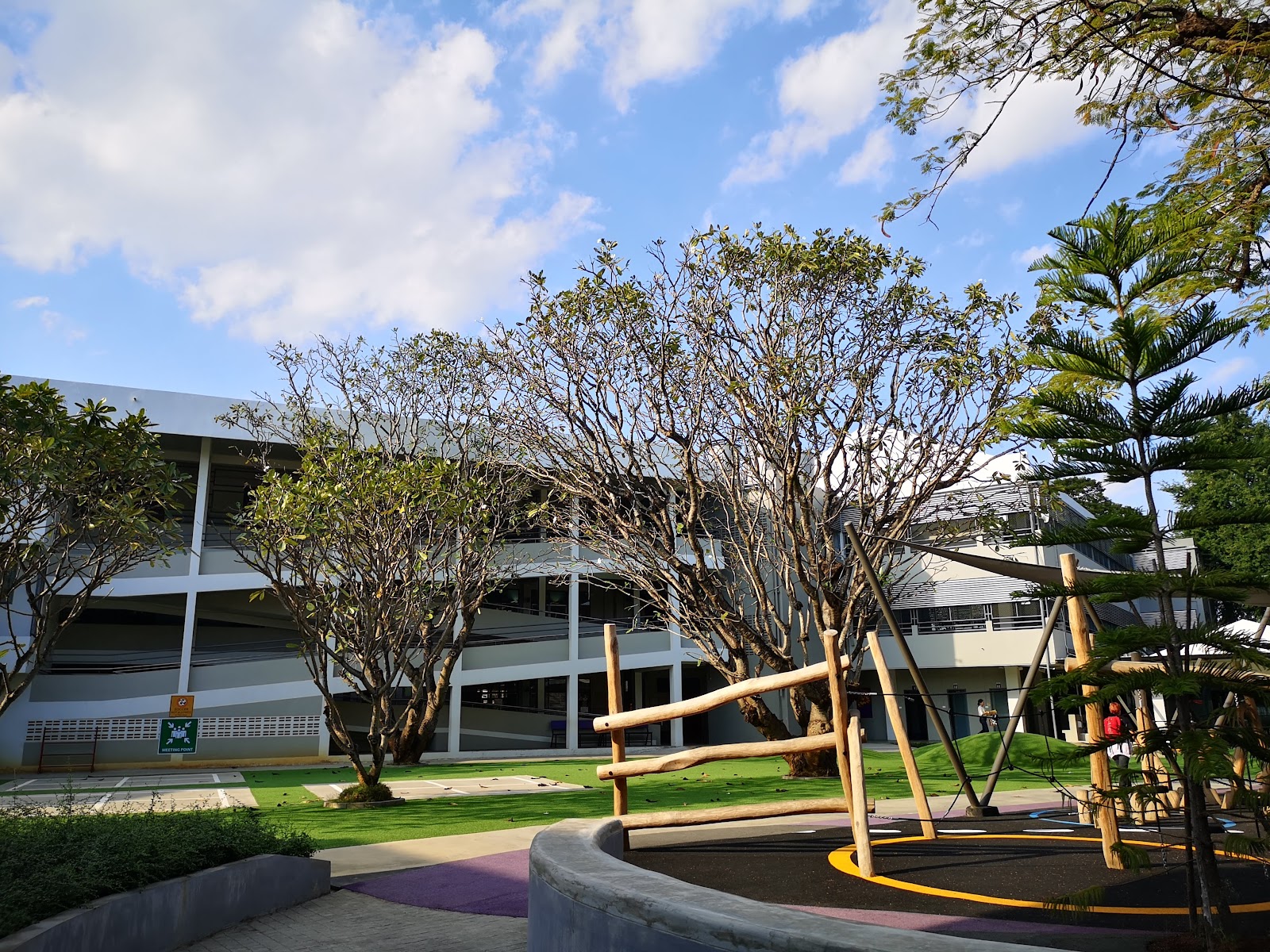
CMIS belongs on the first shortlist for an established American/AP education and a city base. Founded in 1954, it welcomes different faiths while retaining its Christian heritage. Wat Ket is the current campus; a replacement is planned for 2027/28. Availability is the catch: its 2027/28 notice opens Preschool–Grade 1 applications from 10 November 2026 to 15 January 2027, with Grades 2–12 at capacity and waiting-list only, with an availability update due in March 2027.
Annual tuition (2026/27): ฿341,700–฿580,200
Public feedback: Current-parent and alumni comments are broadly positive about belonging and teaching: a March 2025 parent says their child loves CMIS; a June 2023 student review describes feeling at home. An undated parent survey praises academics and activities but describes facilities needing renovation. That last account cannot establish today’s campus condition. Ask about your child’s actual AP choices and the pressure/support balance.
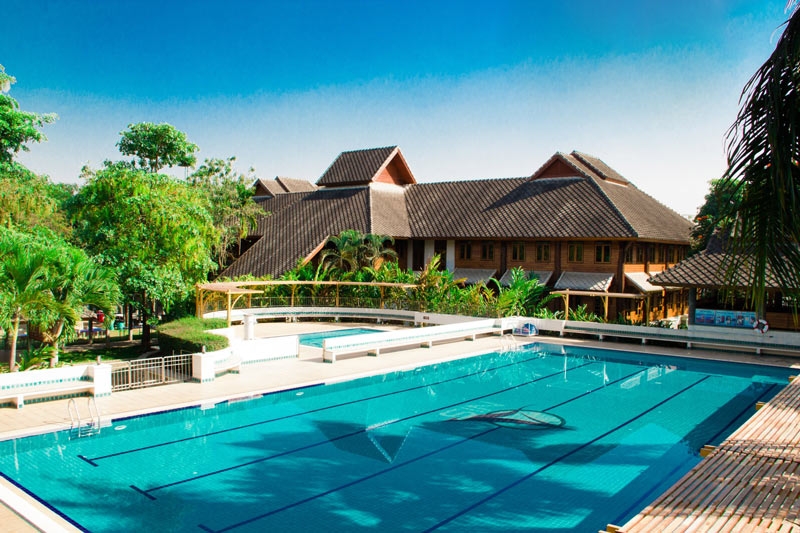
NIS is a sensible American/AP shortlist choice for families living north or northeast of the city. Founded in 1993, it now occupies a 17-acre campus in San Phi Sua; the school reports WASC accreditation through 2032. This was my own school growing up, on its old campus. For English immersion, look at language use in the intended class, not pupils’ passports.
Annual tuition (2026/27): ฿304,500–฿521,800.
Public feedback: The public accounts disagree. A May 2026 elementary parent reports happy children, liked teachers and classes of around 18 or fewer. 2024 directory parent reviews criticize facilities and administration; an older parent praises academic rigor. These are individual, unverified experiences. The elementary parent explicitly cannot assess senior academics. Ask how concerns are escalated and see the facilities your child would actually use, rather than transferring a primary-school recommendation to high school.
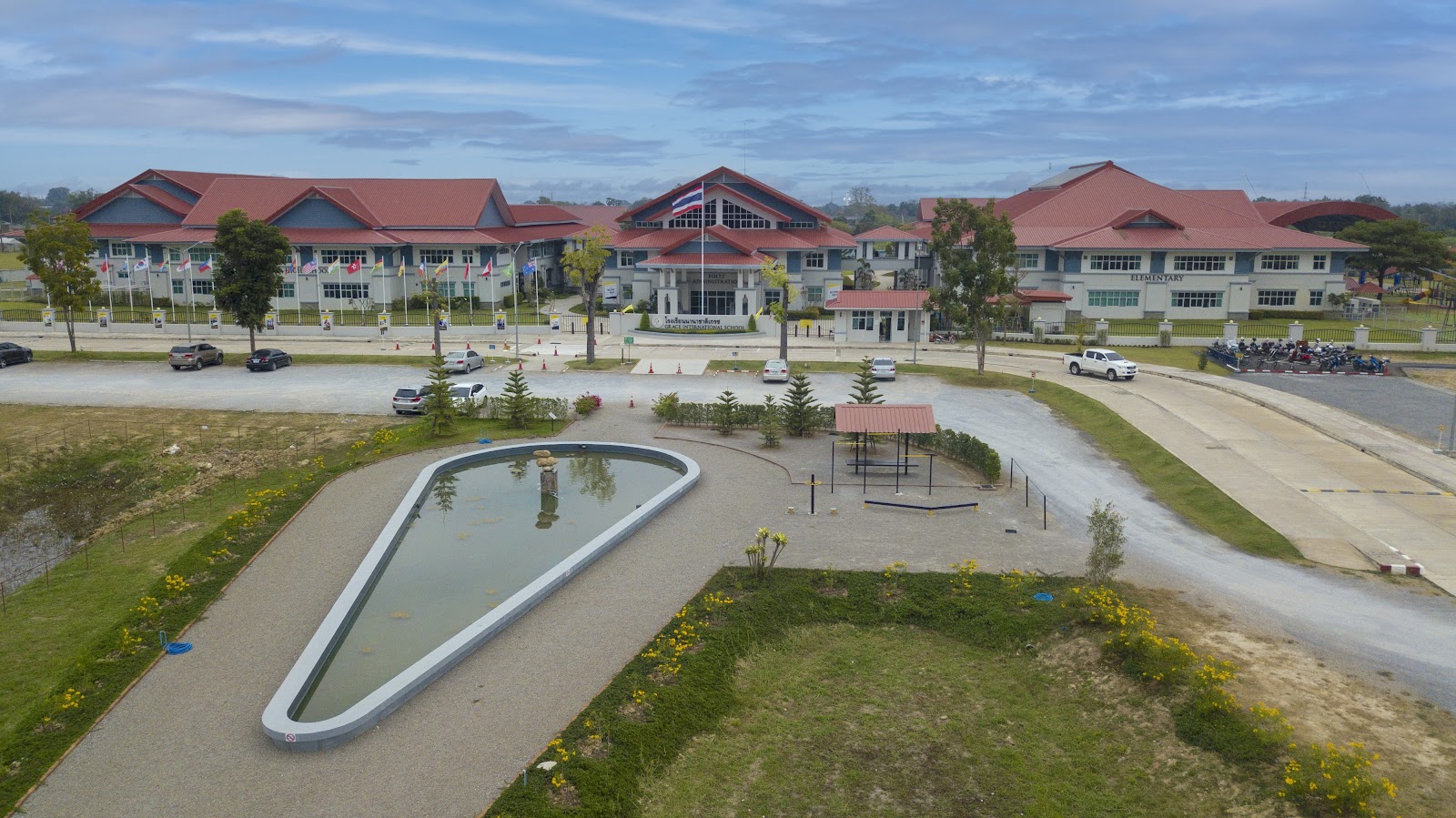
For eligible international Christian worker families, Grace is one of the strongest budget starting points for an American K–12 education. Its Harn Kaew campus has WASC and ACSI accreditation, and non-Thai teaching staff raise financial support through mission organizations. The Christian commitment is part of daily school life: Bible/Religious Studies and chapel participation are compulsory. This is a good fit when that mission is also your family’s choice.
Annual tuition (2026/27): ฿309,000–฿379,000
Public feedback: A November 2024 parent review describes a positive three-year experience and support from teachers and friends. Older parent and alumni entries also describe a close community, but the public sample is small and mixes family and staff voices. The Christian mission is an admissions and everyday-culture consideration, not an incidental label. Grace’s admissions page currently says 2026/27 enrollment is complete; check family eligibility and the intended intake before treating it as an available option.

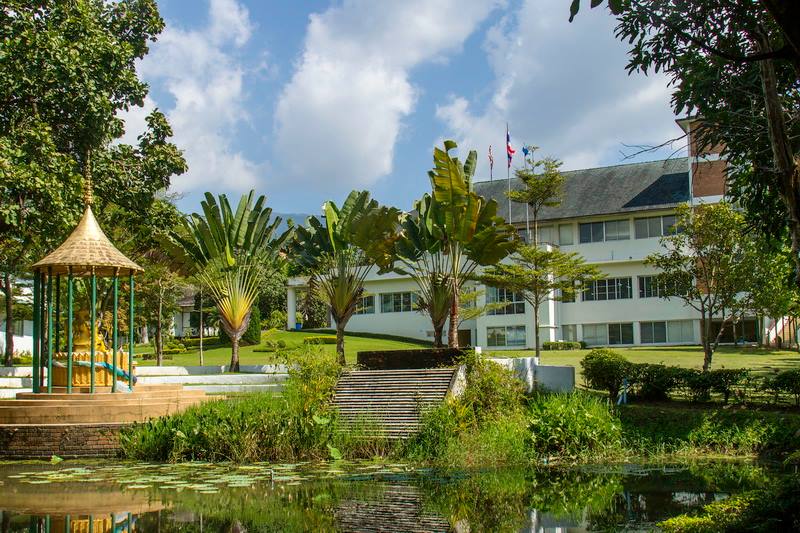
APIS is worth a look for an American education with IB PYP, MYP and Diploma programmes, particularly if boarding matters. Its Mae Hia Primary Campus serves Nursery–Grade 6; the Ban Pong Main Campus serves Grades 5–12, day and residential. Those are different school runs and daily experiences, so choose the campus before choosing nearby housing.
Annual tuition (2026/27): ฿250,650–฿524,800. Pre-Nursery is listed separately at ฿120,300 for semester two only; semester one is N/A.
Public feedback: 2017–2024 community reviews include two self-described parents and two former students. Praise centers on teachers, enjoying school and lasting personal growth; one alumnus is recalling the class of 2002, so that is not a current classroom assessment. Separate 2025 teacher discussion raises employment and upkeep concerns. Confirm which campus, year group and boarding/day arrangement each account concerns before comparing it with your child’s place.
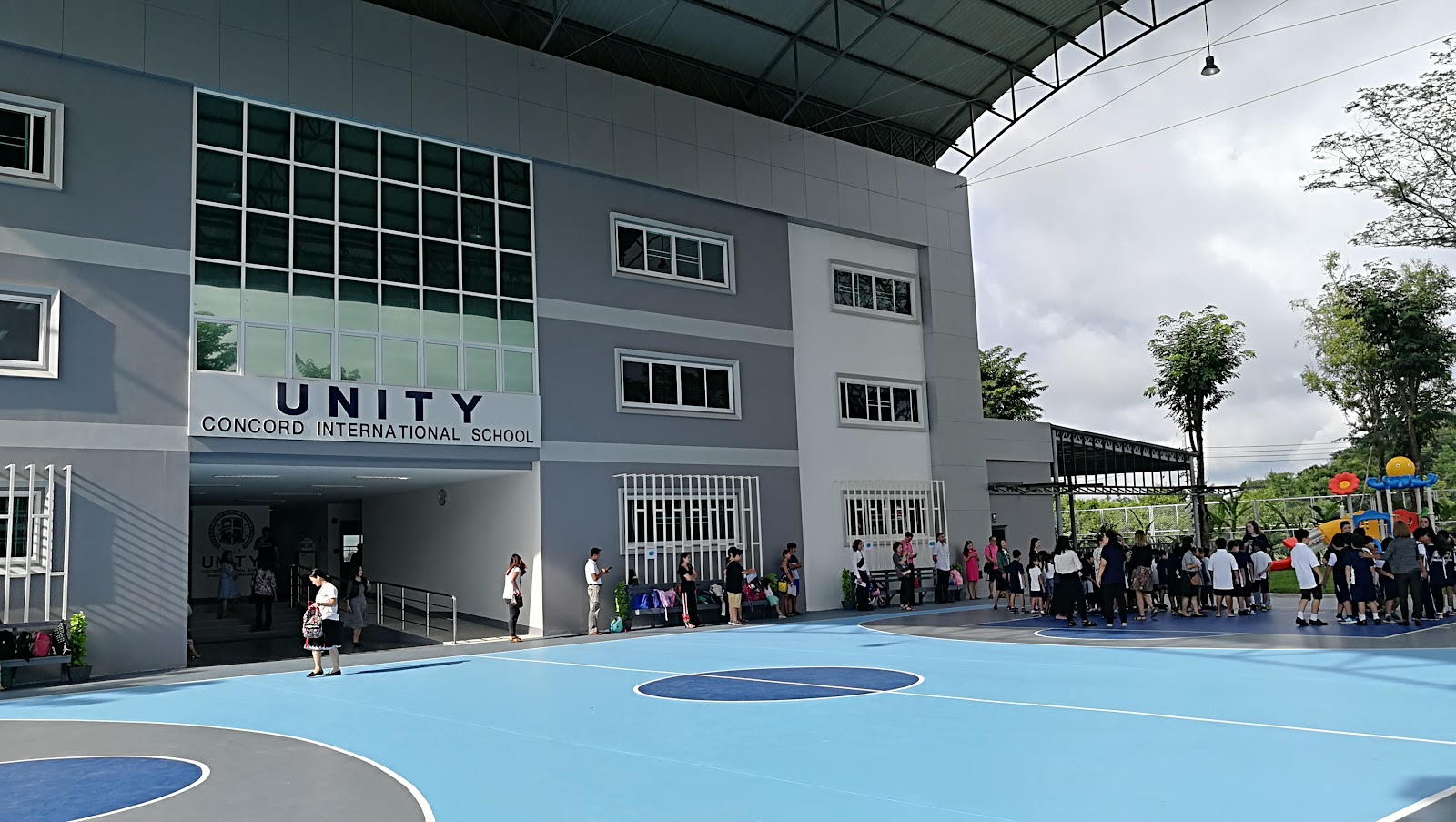
UCIS is a practical American-curriculum option for families on the eastern and Saraphi side of the city, with project-based learning, STREAM and service projects from Pre-K through Grade 12. It belongs to the Ambassador Education Group, alongside ACIS, ABA and BCIS. For older arrivals, English entry matters: its linked 2025/26 policy sets C1 for ordinary Grades 10–12 entry, or B2 with EAL; current applicability needs checking.
Annual tuition (2026/27): ฿201,600–฿386,400
Public feedback: The three readable community reviews are positive about teachers and facilities, but one is explicitly a colleague’s review and the other two do not identify themselves as parents. That is too little to call parent consensus. Ask for a year-group-specific family reference and examples of how the school handles an unresolved learning or communication concern.
Chiang Mai Cedar International School
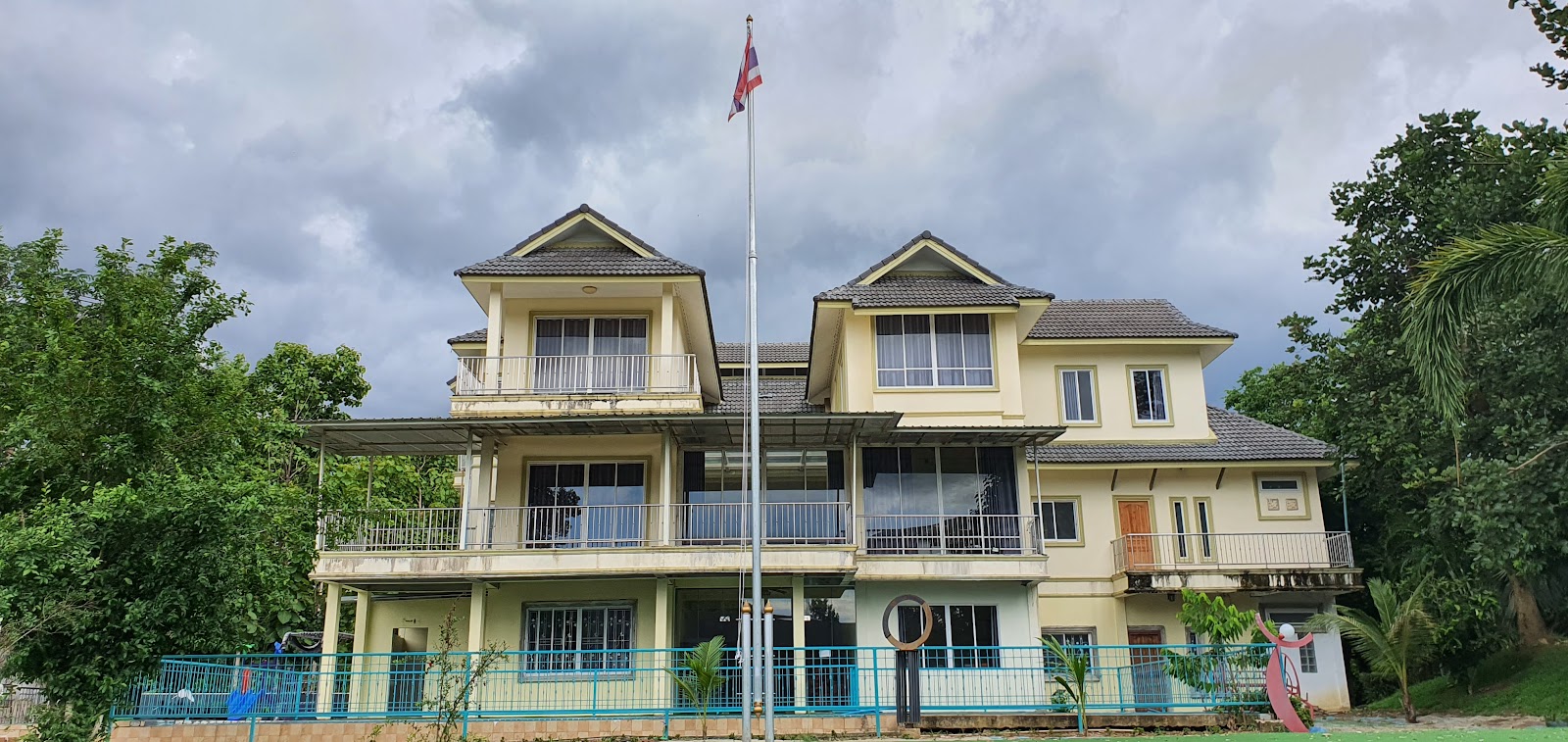
A Christian school worth investigating for a lower-cost primary route, once its changing curriculum descriptions and fee terms are resolved.
Cedar is worth considering for a Christian school in San Kamphaeng, but the teaching model needs a closer look. Its current curriculum describes American standards, inquiry and projects; older A.C.E./PACE pages remain online without a dated explanation reconciling the two. For an older child, the actual Grade 12 cohort and diploma recognition also need establishing before committing.
Annual tuition (year not stated): ฿94,000–฿274,000
Public feedback: We did not locate a dated, school-specific independent parent account in this research pass. That is an evidence gap, not a negative rating. A classroom visit and examples of assessed work would be more useful here than relying on either the old A.C.E. label or the newer curriculum description.
British / Cambridge curriculum
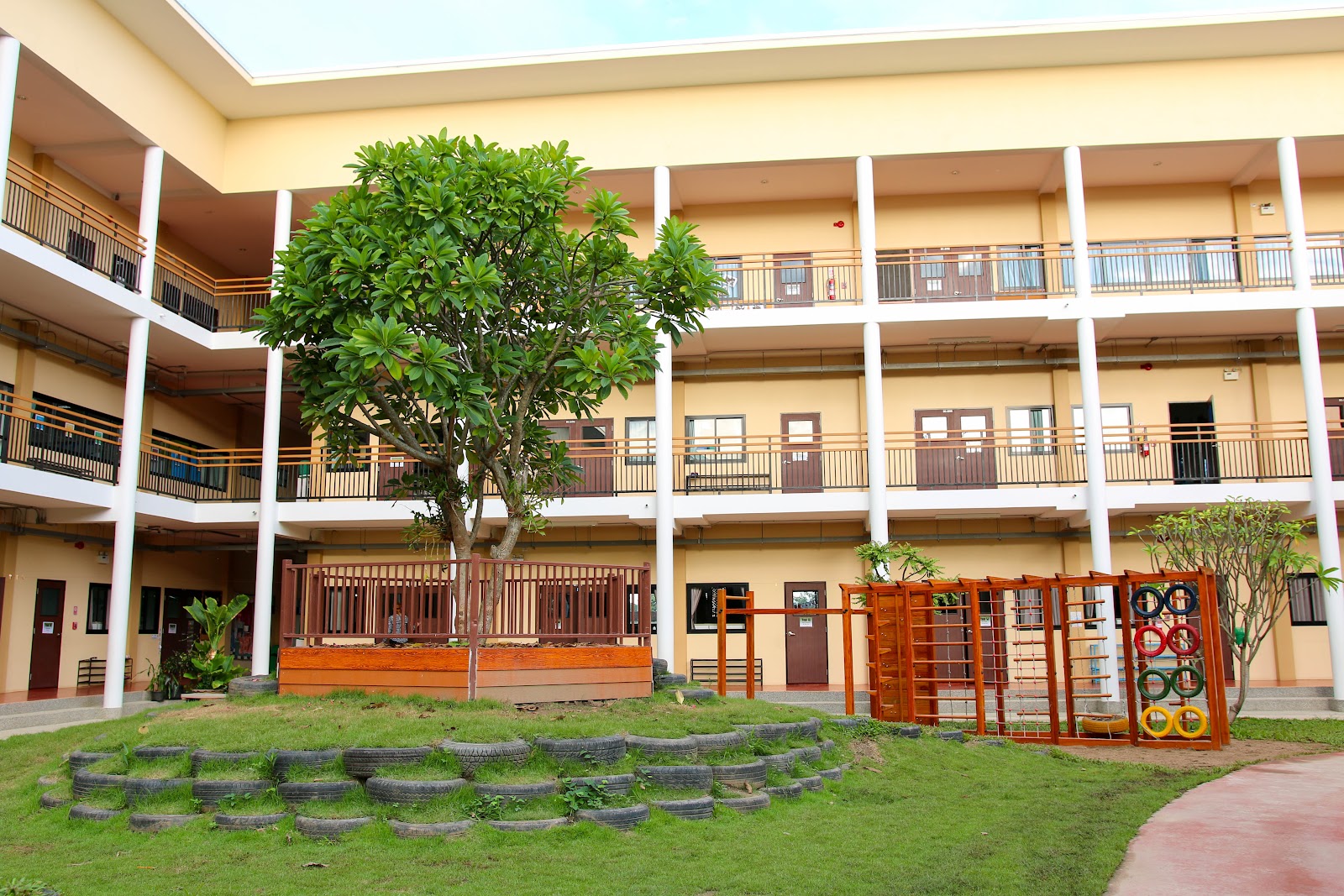
Lanna is a natural first stop for an established British/Cambridge route through IGCSE and A-Levels in Hang Dong. Founded in 1993, it now operates in Ban Waen, holds WASC accreditation and is a FOBISIA member. It suits families who want a conventional British pathway close to the southern residential areas. Budget is the constraint: its current tuition is firmly at the premium end, alongside Prem rather than an inexpensive substitute.
Annual tuition (2026/27): ฿413,400–฿803,400
Public feedback: 2017–2022 community reviews repeatedly praise teachers, academics, activities and children enjoying school. Six of the 16 displayed rows repeat another review, so they are not 16 independent accounts. Historical complaints concern management communication and campus plans. A July 2026 parent account praises the teaching but flags rising fees; its publisher sells property. 2025–2026 staff reviews raise management/workload concerns. Keep those workplace reports separate from children’s experiences, and ask current families about communication in the relevant phase.

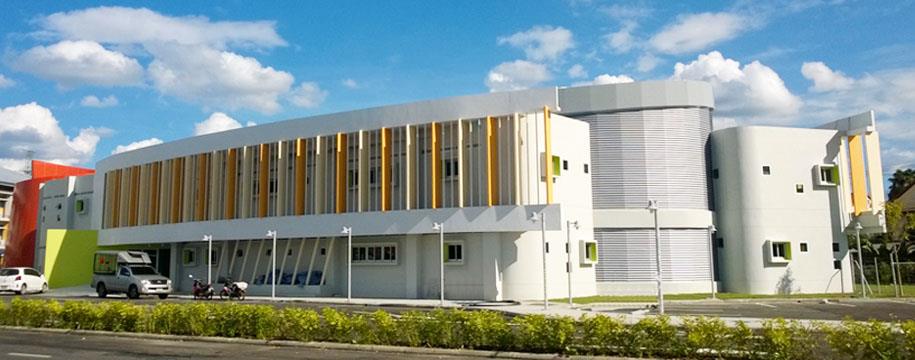
SBS is worth shortlisting for a Cambridge route with sustained English, Thai and Mandarin in Hang Dong. SBS/SIBS is the Ban Waen school, separate from SISB near the Old City. The school describes blended Thai/international teaching and specialised upper-secondary routes. One important limit: its Medical Track excludes learners receiving English-language support (ELS).
Annual tuition (2026/27): ฿217,900–฿370,300. Add the ฿12,000 annual levy and entry charges; required one-to-one SEN support is separately priced at ฿285,000 a year.
Public feedback: The SBS/SIBS review page mixes ten parent accounts, one student and six other roles. Several 2022 parents praise teacher communication, facilities and happy children; 2022–2023 complaints concern refunds, class sizes and teaching. The school disputes the identity/details of one refund complaint and responds to the student’s concerns. Many positive entries share a March 2022 date, so the sample is uneven. These historical SIBS accounts do not establish today’s programme or class experience. Get the exact program, class limit and withdrawal/refund terms in writing.
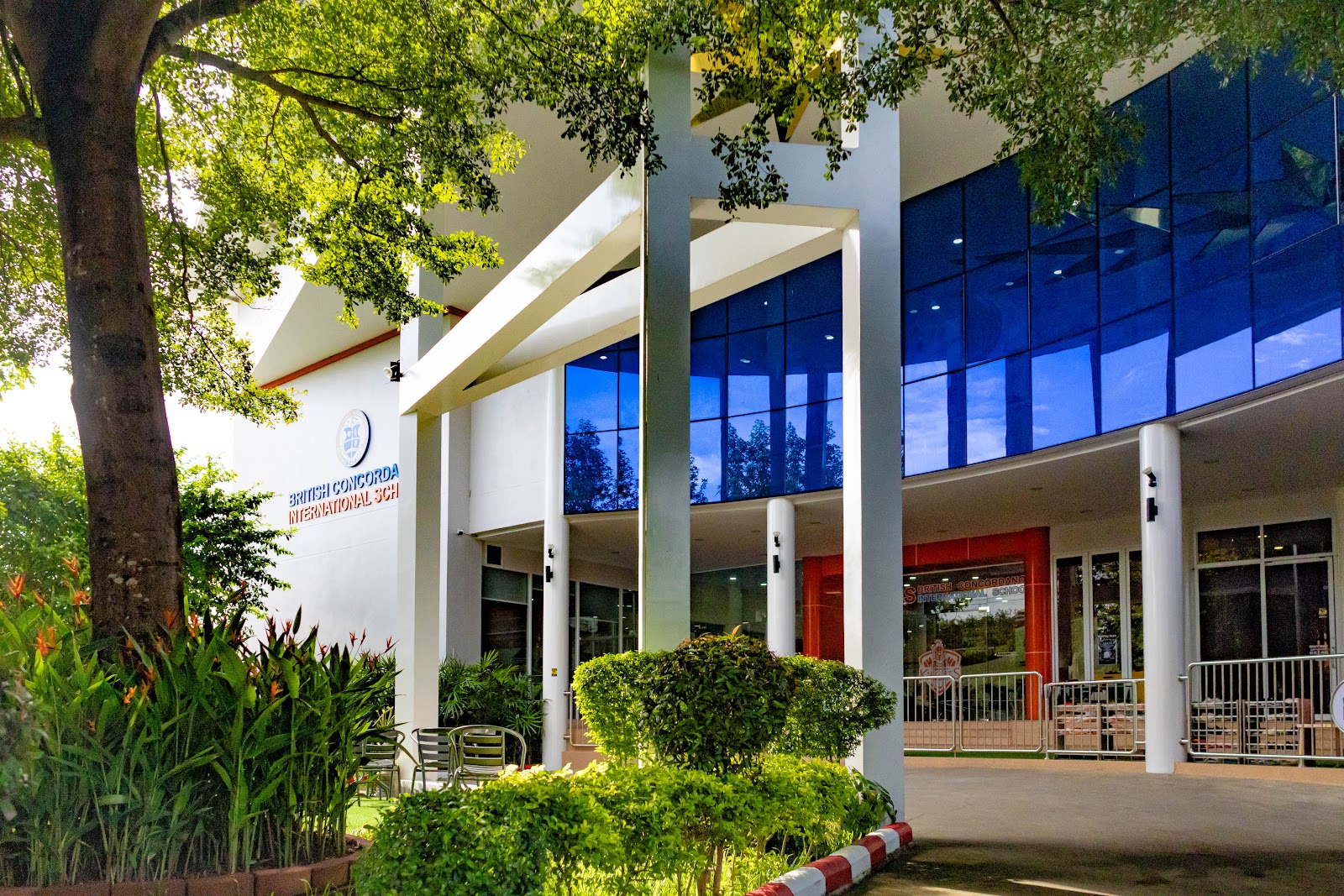
BCIS is a lower-tuition British option worth comparing in Nong Kwai, especially for a family wanting a smaller-school setting. It opened in 2022 in renovated former Little Stars premises. Its advertised Cambridge/Pearson route extends into senior school, but operating subjects and A-Level cohorts need checking for a teenager. CIS membership and Cambridge English preparation-centre status are not institutional accreditation or proof of a Cambridge International exam centre.
Annual tuition (2026/27): ฿196,350–฿346,500; Years 5–6 are ฿288,750. Assessment, entrance and lifetime books add ฿103,300 on entry, before recurring extras.
Public feedback: The dedicated review page had no reviews when checked. We did not find enough dated independent parent feedback elsewhere to assess satisfaction. A small-class description is a useful tour lead, but cannot establish teaching consistency. Ask for current parent references and the subjects actually running in your child’s phase.
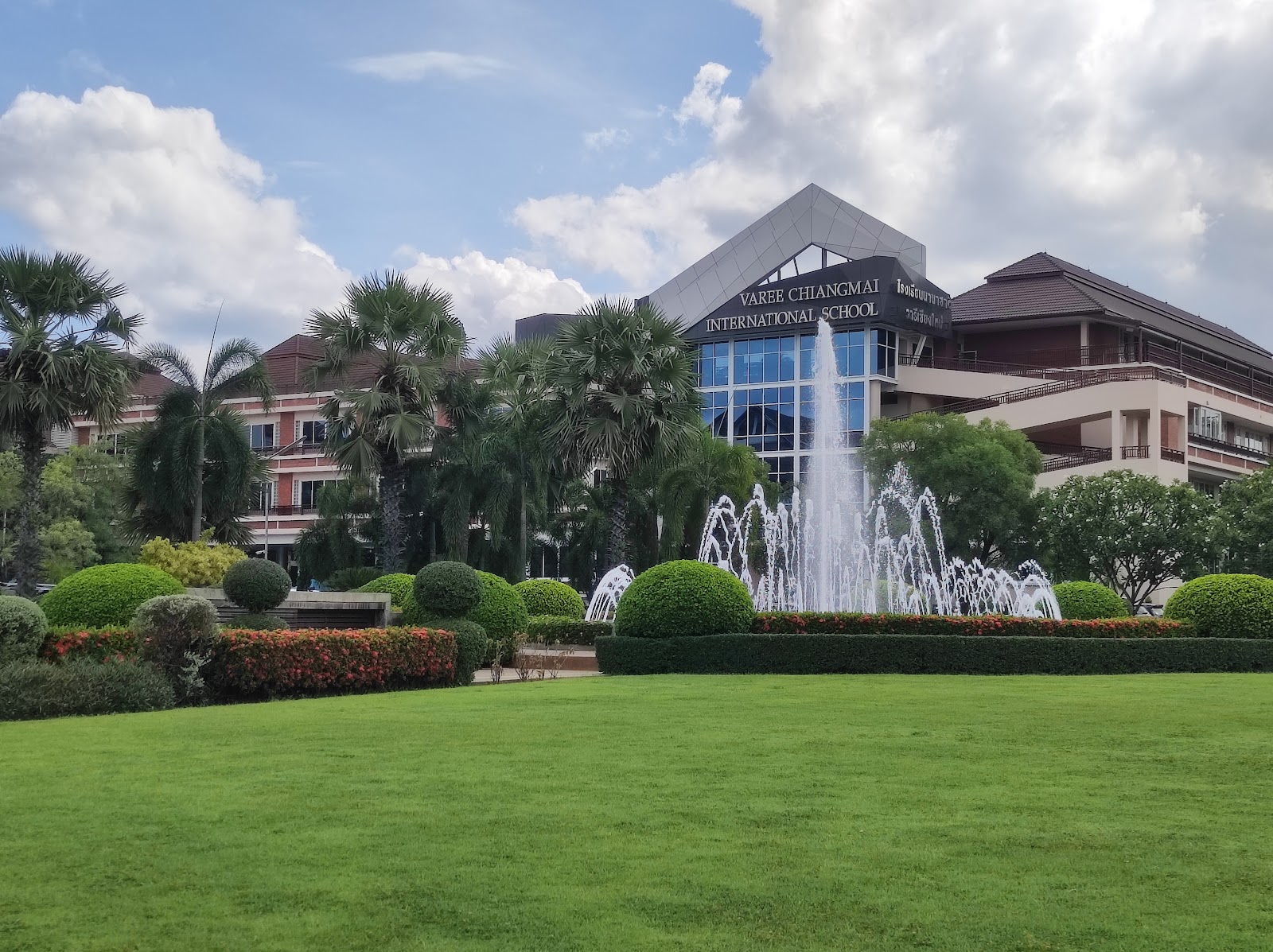
VCIS is a useful Cambridge option for families around Nong Hoi and the airport side of the city, offering early years through A-Levels. The important distinction is the programme: Varee Chiangmai International School and Varee Chiangmai School are separate institutions on the same campus. A recommendation for the Thai school or English Program is not automatically a recommendation for VCIS.
Annual tuition (2025/26): ฿244,000–฿524,000
Public feedback: One May 2022 VCIS parent review says their child is happy and praises cleanliness and facilities. It gives little detail about academics or administration. Many older “Varee” forum accounts concern the Thai school or English Program rather than VCIS; we have not pooled them. Make sure any reference is from the international program and a relevant year group.
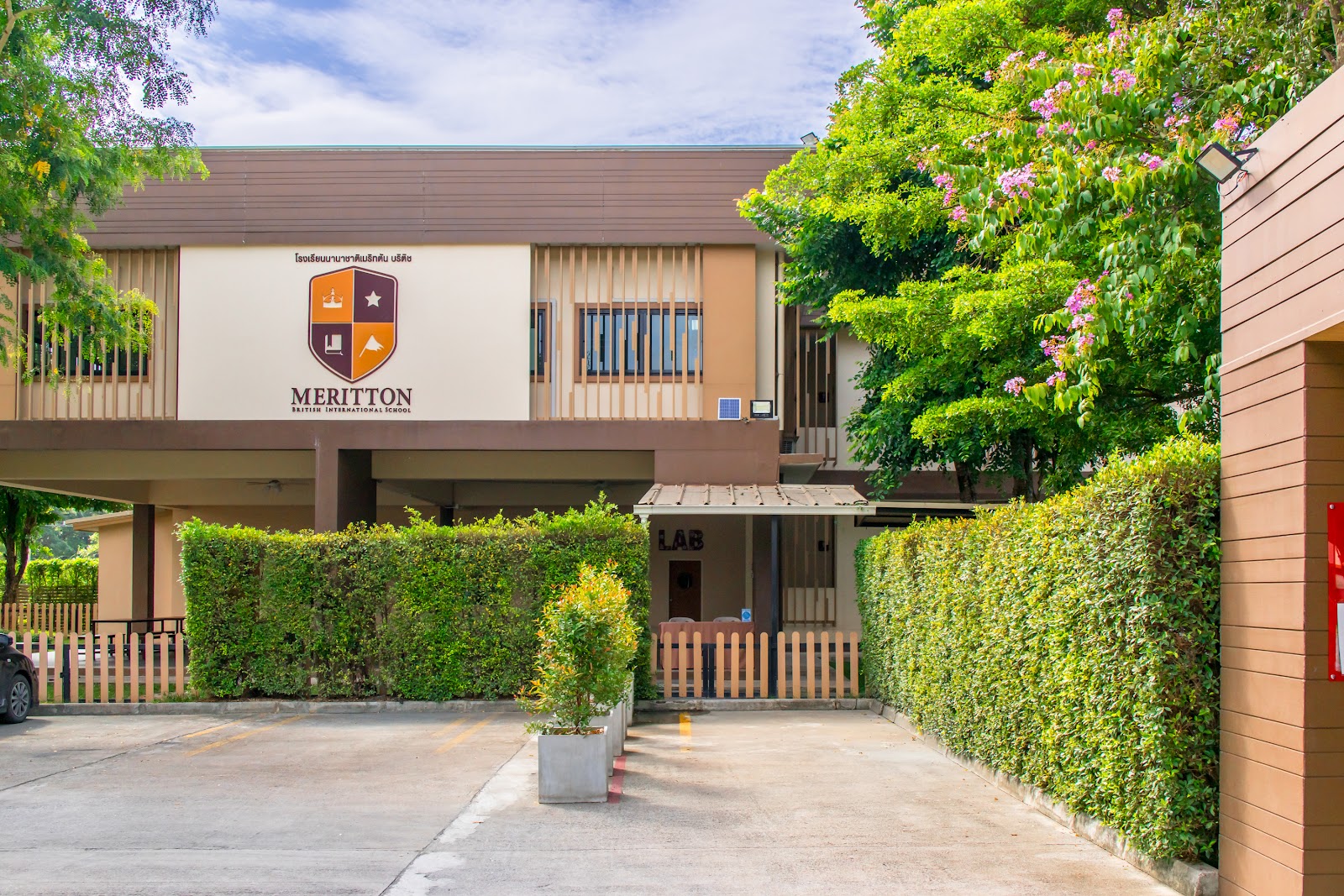
Meritton is worth a visit for families drawn to a smaller British school and values-based education in Nong Kwai. Its current admissions information welcomes ages 2–16 through Year 11. For younger children, that offers room to grow; for a teenager, the developing sixth-form route is the deciding constraint rather than something to assume from an advertised A-Level pathway.
Annual tuition (2026/27): ฿224,400–฿440,000. Entry and recurring charges mean Year 5’s known first-year partial total is ฿427,600, before unpriced extras.
Public feedback: A July 2026 local parent account says two children are happy at Meritton and praises the smaller community and teachers knowing each child. The author’s property-business connection is a commercial interest to bear in mind. A September 2026 directory review is an admissions-contact account from Europe, not an enrolled-family assessment. Teacher-forum criticism is a separate source category. Ask current families about communication and how provision changes as the school grows.
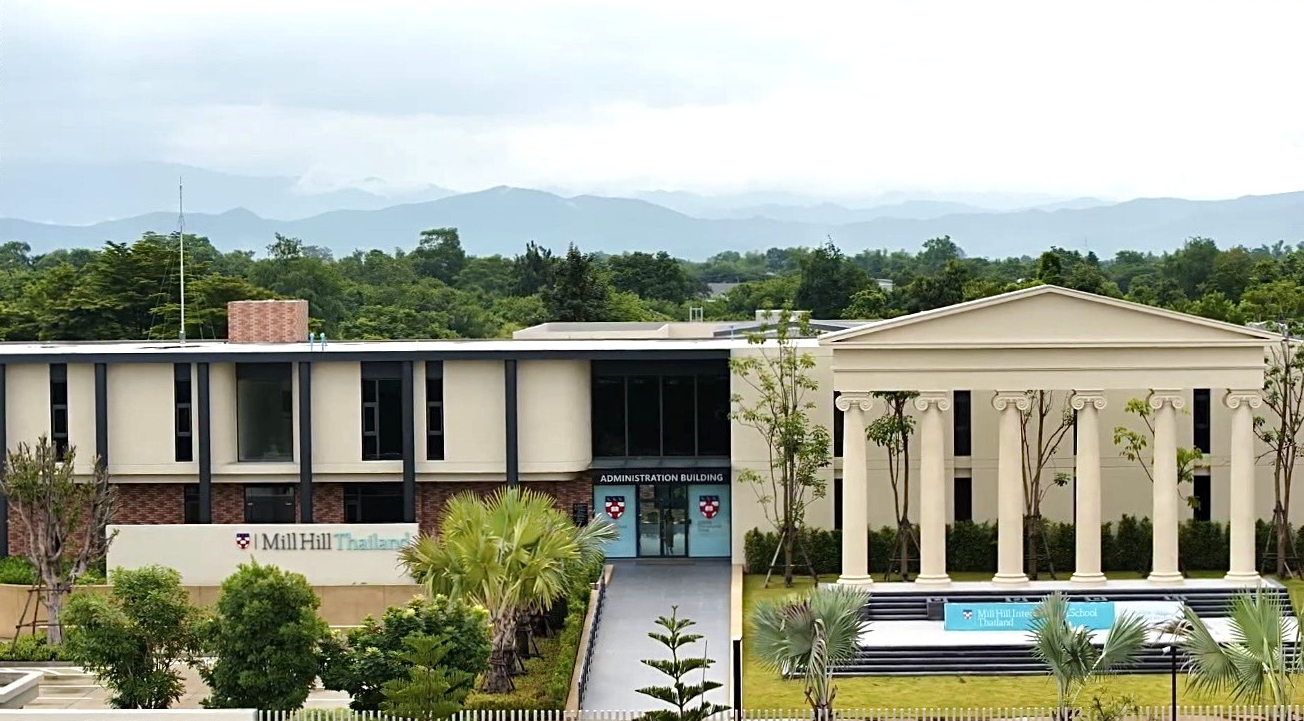
Mill Hill is worth touring if you want a newer British school on the Doi Saket side and can afford premium fees. The Chiang Mai campus opened in September 2025 with Ornsirin; the London namesake’s long history is not a local track record. Its 2026/27 tariff runs Nursery–Year 9, while the operating classes and future qualification cohorts remain the key check for older children.
Annual tuition (2026/27): ฿447,300–฿642,600. Standard entry adds ฿155,000 in registration/placement charges plus a ฿50,000 deposit.
Public feedback: We did not find enough independent, dated enrolled-family feedback to judge the Chiang Mai campus. Its London namesake’s history is not evidence of this newer campus’s outcomes. For a child approaching the end of primary, check the classes operating now and the fallback if a planned secondary phase opens later than expected.
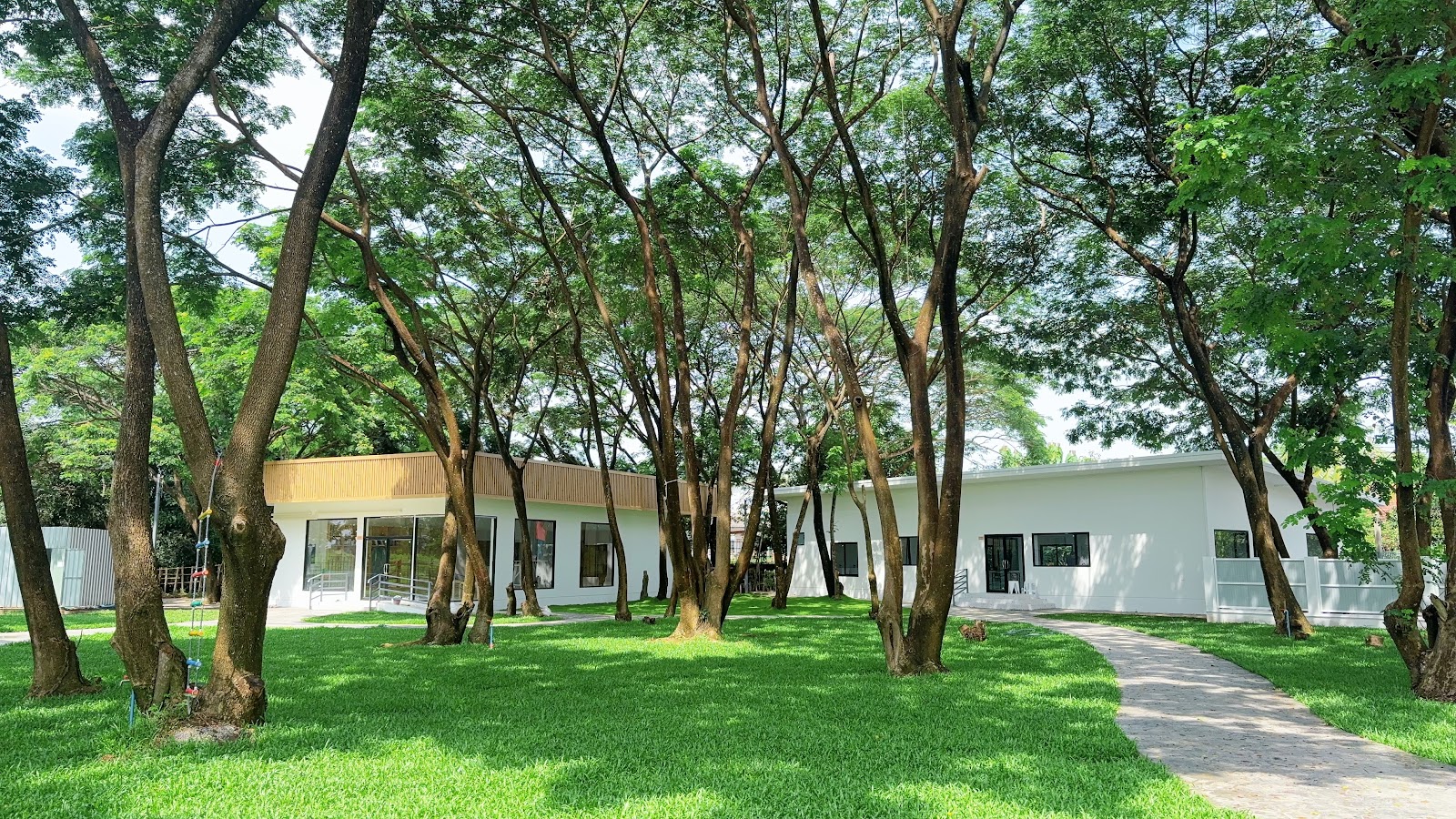
Cariad stands out for families who like woodland surroundings, Finnish-inspired early learning and a British pathway. It combines EYFS with an individual-growth approach before moving into primary and secondary. I would put it on the visit list for that setting and approach; for an older child, advertised A-Levels still need matching to an actual cohort, subjects and exam arrangements.
Annual tuition (2026/27): ฿236,000–฿448,000
Public feedback: Independent, dated parent feedback was not located in the sources checked. The woodland setting and educational approach may be appealing, but are school descriptions rather than satisfaction evidence. Ask how the approach changes between early years and later primary, what progress reports look like and where pupils transfer next.
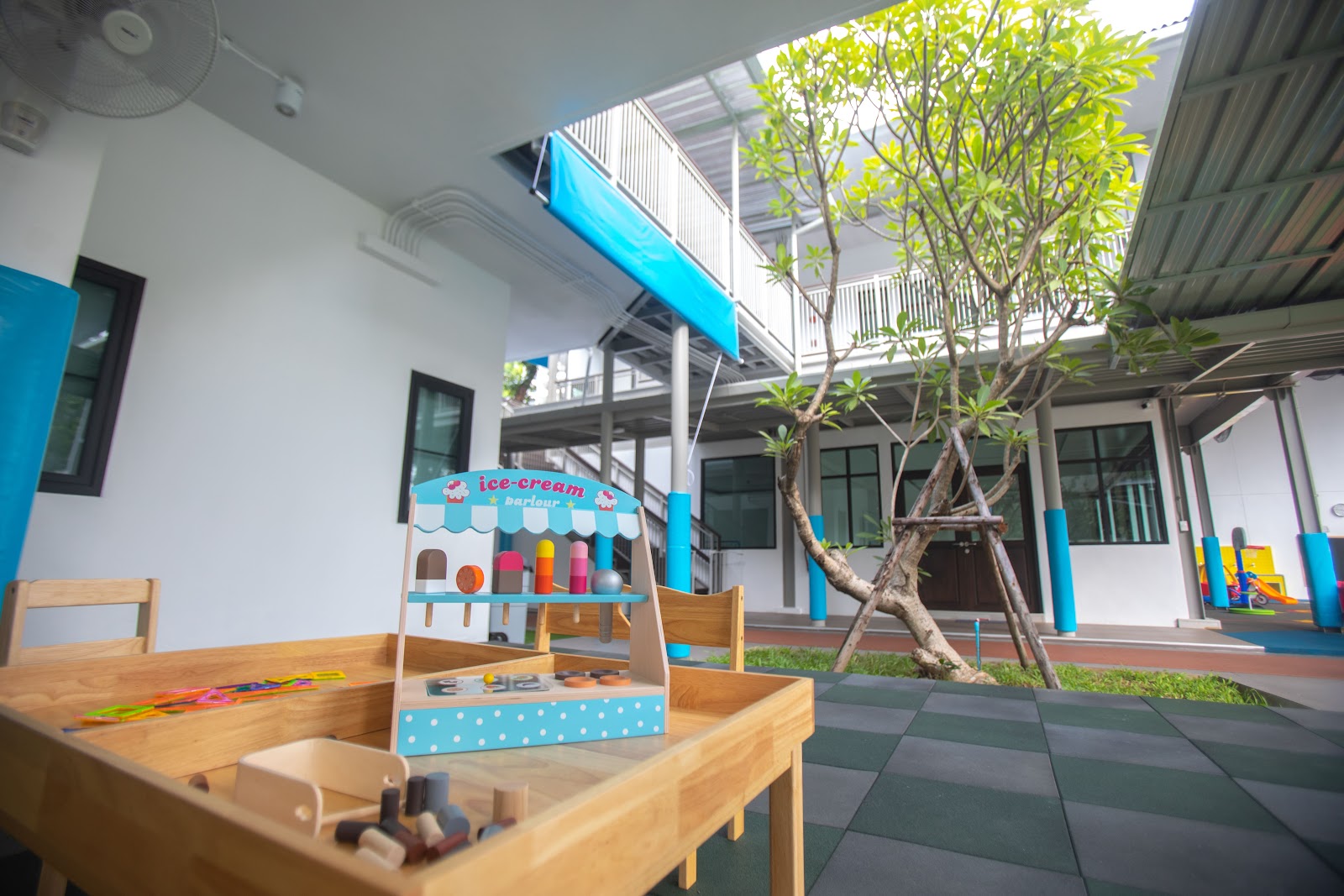
Bright Seeds is a convenient early-years choice for Nimman families who want British EYFS and play-based learning without a long school run. It serves roughly 18 months to six years, so think of it as a preschool decision with a later-school transition ahead, rather than a K–12 commitment.
Fee estimate: ฿172,000–฿260,000 a year from third-party Doris, not a verified school-issued 2026/27 quote.
Public feedback: A February 2026 former-parent comment praises the teachers, convenient location and their child’s enjoyment. A follow-up describes later schooling elsewhere. This is one anonymous family’s early-years experience, with no attendance dates or critical counterweight. It is useful reassurance to investigate, not proof of universal satisfaction. Confirm age coverage and the next-school transition.
IB — International Baccalaureate
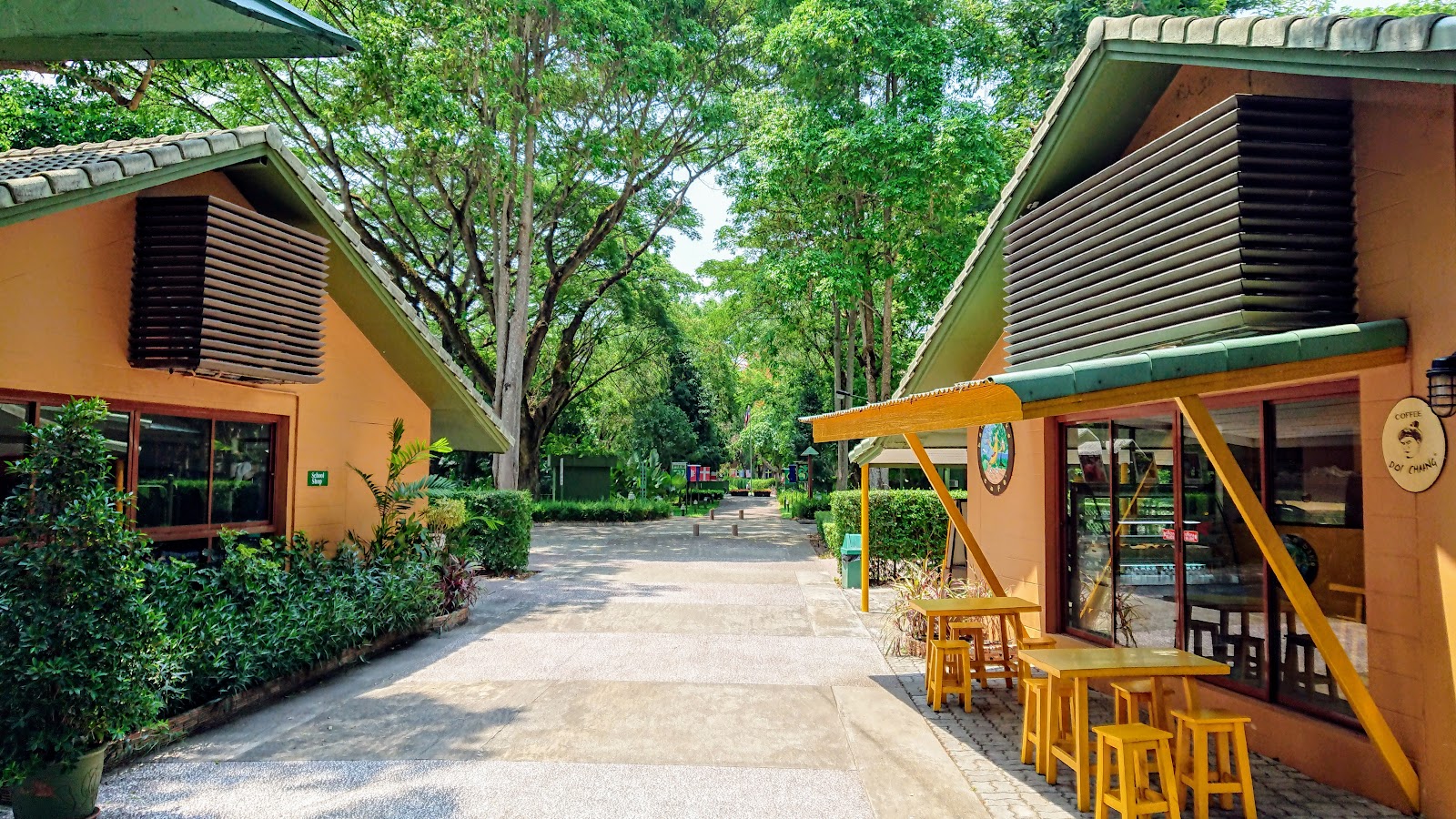
Prem is the obvious campus to visit for a full IB education, extensive arts and outdoor space, or boarding. It offers PYP, MYP, Diploma and Career-related programmes on its large Mae Rim campus. The geography is the trade-off for day families: it makes much more sense from a northern home base than as a daily drive from Hang Dong.
Annual tuition (2026/27): ฿416,000–฿814,000. Weekly/full boarding adds ฿350,000/฿478,000 a year; day meals and assessed support are extra.
Public feedback: Five 2023–2024 reviews are positive about educators, perceived progress and confidence. Four explicitly refer to a child; one parent describes receiving a video of a daughter enjoying an activity. They are short, identity-unverified testimonials, not measured academic outcomes. Separate 2024 teacher discussion raises leadership and retention questions. Day-school and boarding experiences need separate references, and Mae Rim geography needs a real school-run check.
IB + British curriculum
Panyaden deserves a visit if Buddhist values, sustainability and a less conventional campus are central to how you want your child to learn. Its British pathway leads to the IB Diploma, with the 12 Wise Habits woven into school life. The fit is philosophical as well as academic: see how that approach works in an ordinary lesson, especially if a later transfer to a conventional school is likely.
Annual tuition (2026/27): ฿321,000–฿594,000. Materials, meals and most trips are included; assessed intensive language or individual learning support adds more.
Public feedback: 2018–2024 parent accounts praise child enjoyment, teachers and the environment. Specific examples include kindergarten language development and a May 2024 middle-school parent’s positive account of teacher contact and an accessible principal. Some reviews recur on other directories; those are the same accounts, not extra corroboration. 2023–2025 staff reviews praise the campus while raising management and communication concerns. Ask current families about the relevant phase, assessed language support and how the philosophy works when a child struggles.

Montessori
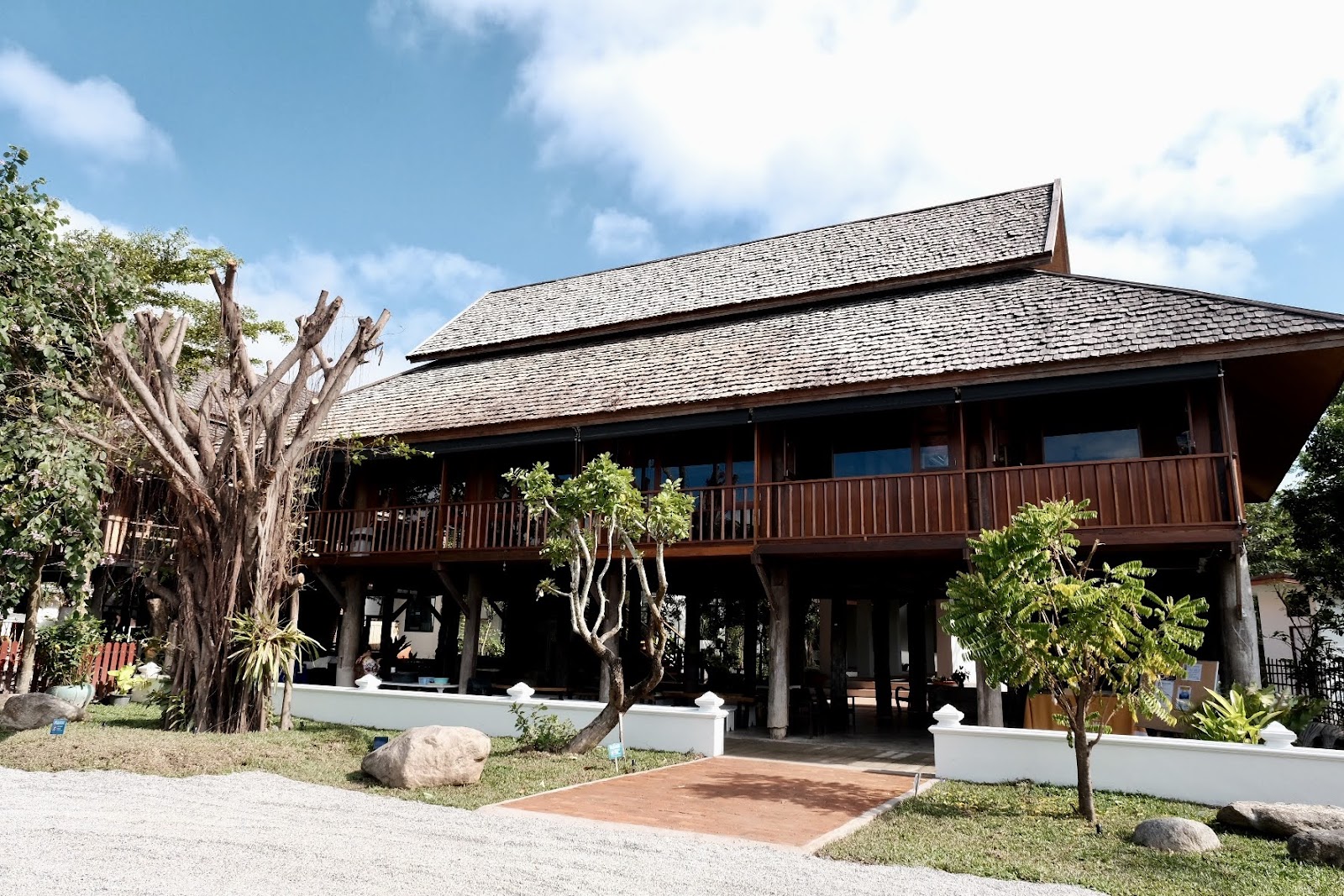
Esara is worth exploring for families who want Montessori early years and elementary education with a route onward into secondary. The rebrand from Chiang Mai Montessori does not make the later phases equally established. Its current secondary page says Pearson Edexcel/BTEC centre approvals are being sought, and Year 12 is planned for August 2028 subject to approvals — a material limit for a child nearing exam years.
Published tuition (fee year unstated): ฿165,300–฿250,000 per term. On a two-term calendar that is ฿330,600–฿500,000 annually; the fee page does not verify a 2026/27 tariff.
Public feedback: We did not locate enough dated independent feedback under the current Esara name to assess parent satisfaction. Reviews of a Montessori predecessor should not silently become reviews of the current secondary program. Confirm the campus, leadership period, intended year group and transfer pathway with anyone offering a reference.
Singapore curriculum
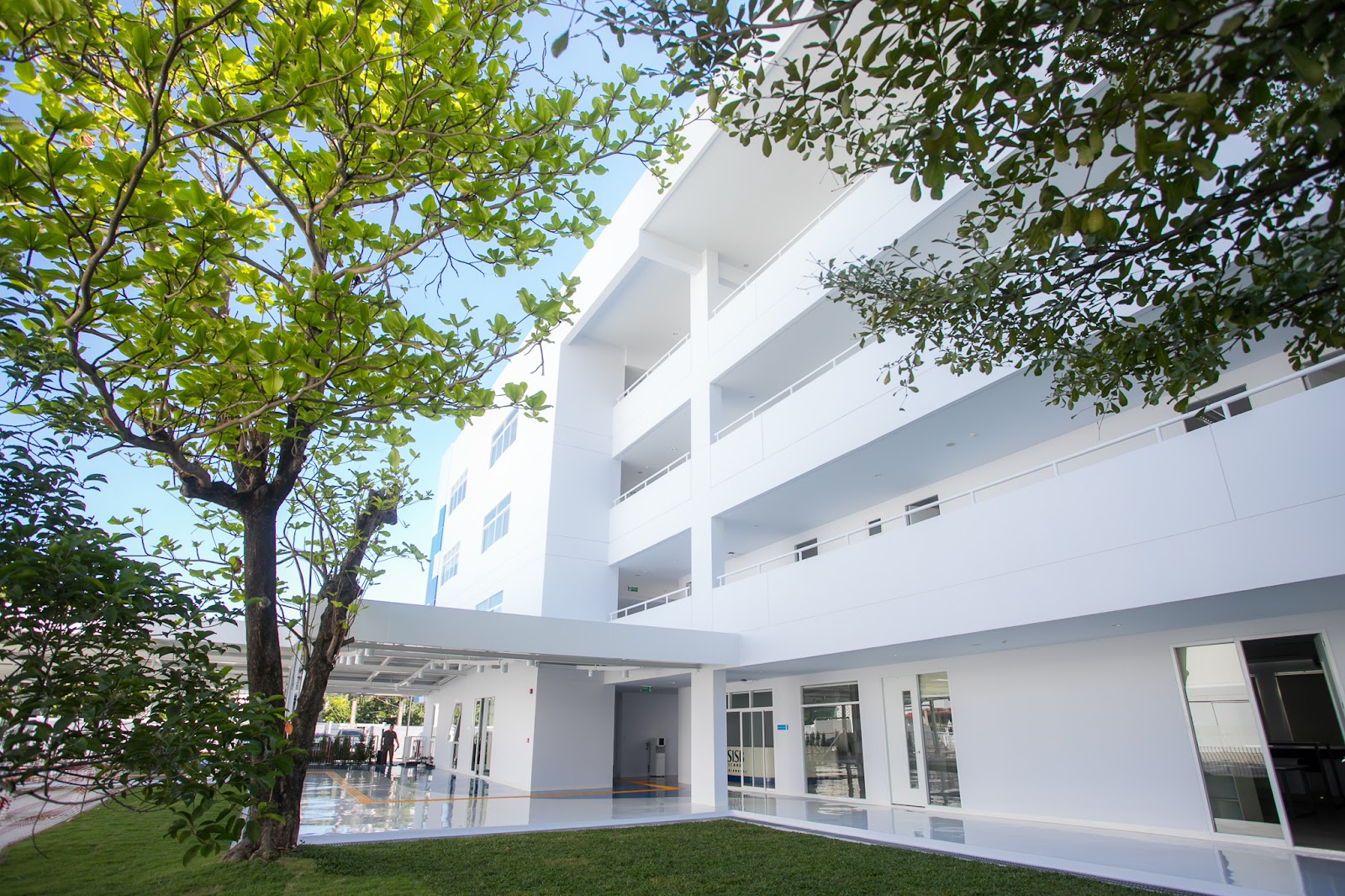
SISB is a natural shortlist choice for Singapore-style primary education and sustained English, Mandarin and Thai near the Old City. The school describes a later Cambridge IGCSE/A-Level pathway. It suits families who actively want the three-language environment; language support and the intended class matter more than the trilingual label alone. This is SISB Chiangmai, separate from SBS/SIBS in Hang Dong.
Annual tuition (2026/27): ฿324,300–฿564,300. Primary resources and meals add ฿62,200 annually; non-refundable entry charges total ฿160,000, plus a conditional ฿30,000 deposit.
Public feedback: Two 2021–2022 parent reviews praise teachers, children’s happiness and the three-language environment. A third, 2025 review is from a teacher. A perfect score from this tiny sample is not a city-wide verdict. SISB is a different school from SBS/SIBS in Hang Dong; their reviews cannot be combined. Check the language support and actual year-group experience for your child.
Chinese-emphasis / trilingual
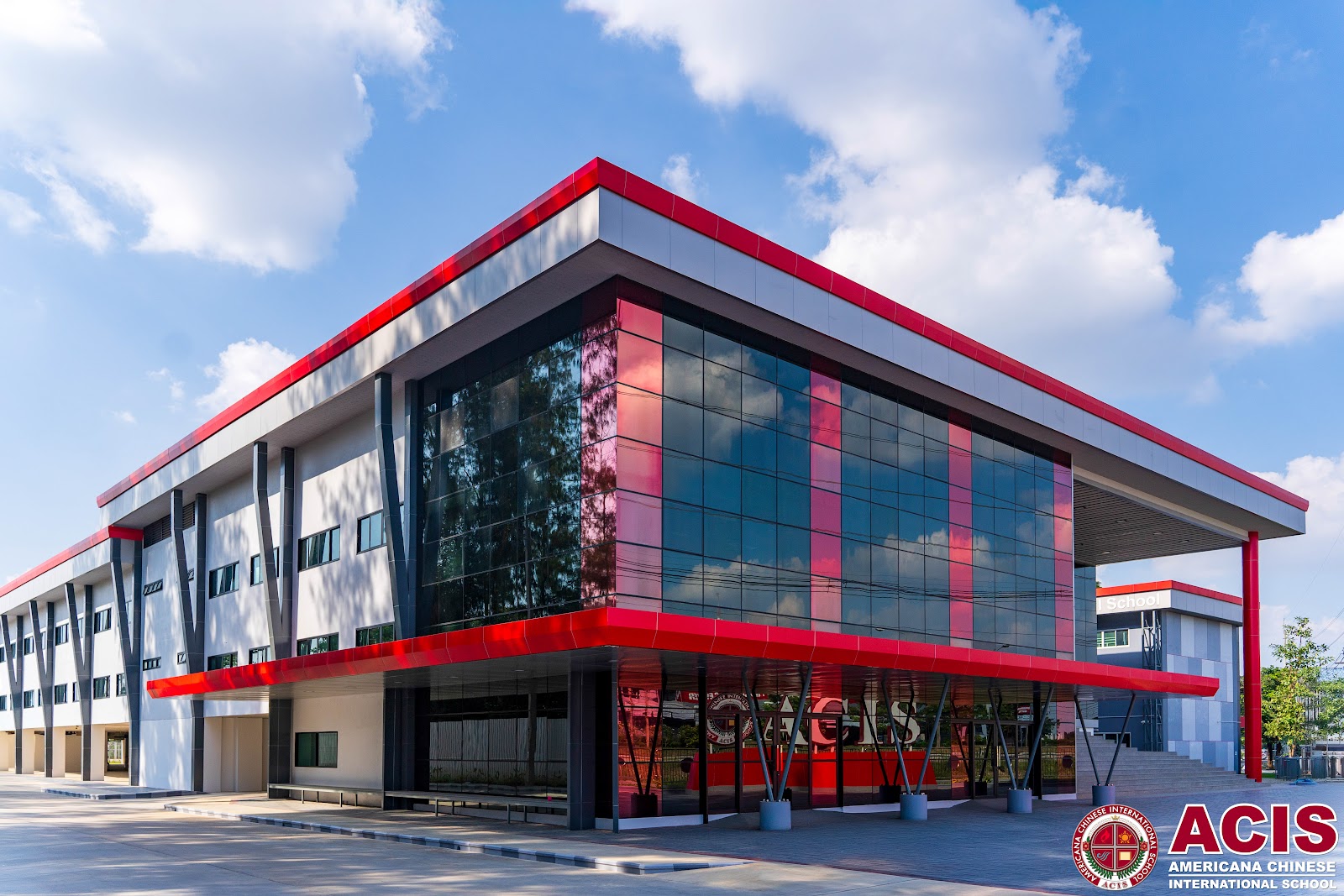
ACIS is an obvious comparison with SISB for families who want Mandarin alongside English, but prefer an American pathway. It offers daily Chinese, an HSK/YCT test centre, AP, STEM and robotics in Saraphi. The school advertises Pre-K–Grade 12; the current WASC listing covers PK–11, and an established graduating Grade 12 cohort is not yet verified.
Annual tuition (2026/27): ฿210,000–฿394,800
Public feedback: The dedicated review page had no reviews. We also rejected a café review incorrectly attached to a school-directory listing. We do not yet have a reliable family-experience assessment for ACIS. The practical questions are how Mandarin and English are used in the intended class and what support applies when a child arrives with little of either language.
German curriculum
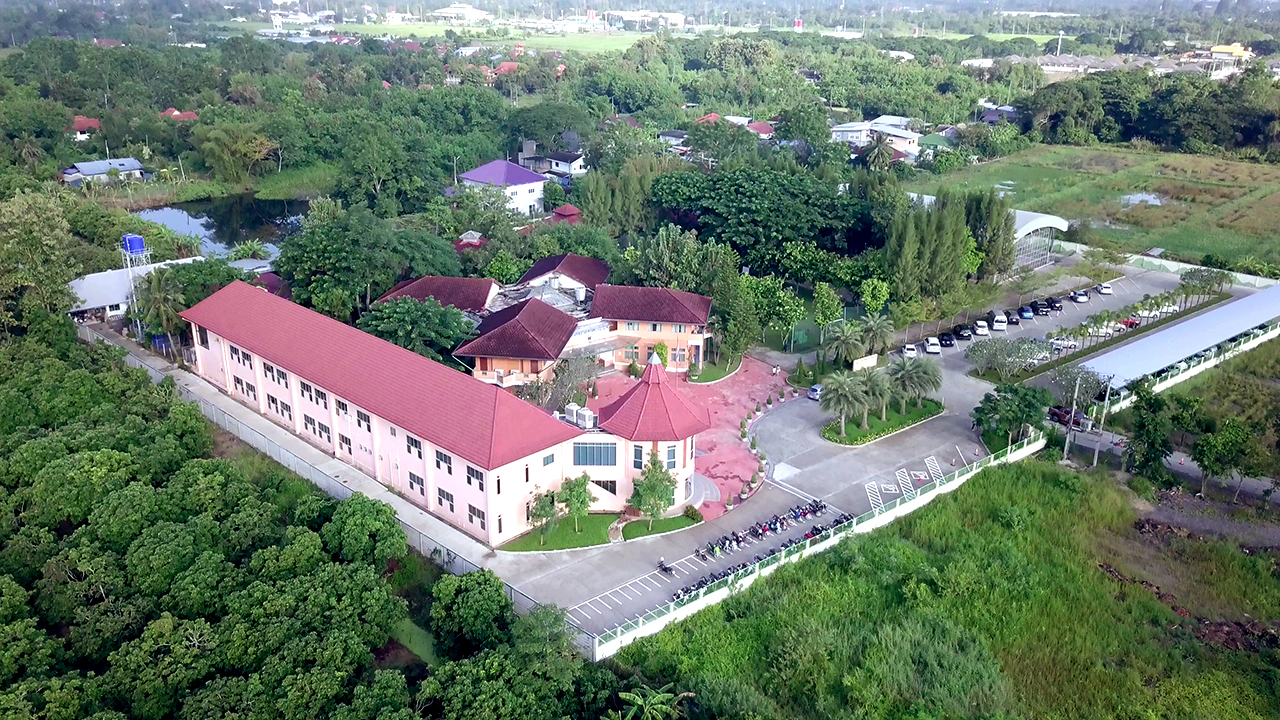
CDSC is the clear starting point for German-speaking families returning to the German school system, with recognised German qualifications through the Deutsches Internationales Abitur. Language entry is the constraint: primary requires native-level German, while secondary has assessed German and later French requirements. Its German Preparation Course is closed to new applications this year; the next course is tentatively January 2028, not an available beginner bridge now.
Annual tuition (26/27): ฿146,000–฿452,000
Public feedback: One August 2022 community review praises friendly teachers and the atmosphere, but does not state whether the writer is a parent, student or visitor. German-language sources checked did not provide enough additional firsthand family accounts for a broader verdict. For a returning German-speaking family, check language-entry expectations and the exact qualification/transfer pathway as well as atmosphere.
French curriculum
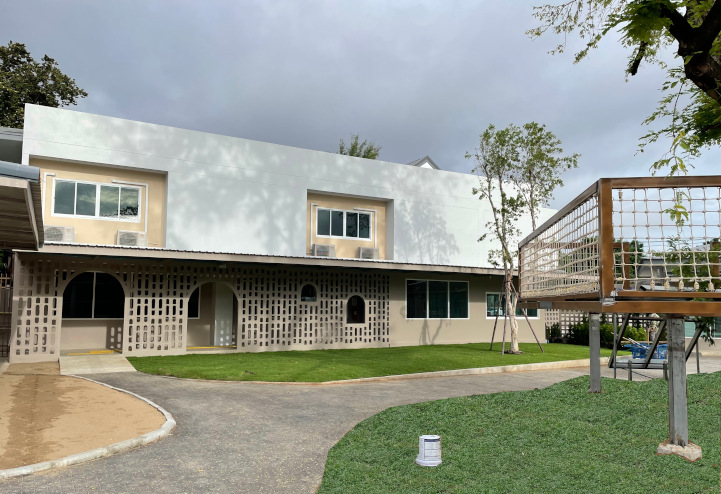
Windfield is the local starting point for French early years and primary, from Petite Section to CM2, with Cambridge elements. Plan secondary elsewhere. Recognition also needs campus-specific care: the AEFE Windfield listing is for Koh Samui; a dated Chiang Mai homologation decision has not been established. Families relying on French recognition or bursary eligibility should resolve that before enrolling.
Historical tuition (2024/25): ฿220,000–฿235,000, from opening-era reporting. Current Chiang Mai fees and extras need a fresh quote.
Public feedback: May 2026 local reporting documents the French ambassador’s visit and growth from seven pupils at opening to roughly 60. It is a dated independent campus report, not a parent-satisfaction survey. We did not locate sufficient firsthand parent feedback. Ask current families about mixed-age classes, French-language entry and the move to secondary.
Bilingual / Thai-English
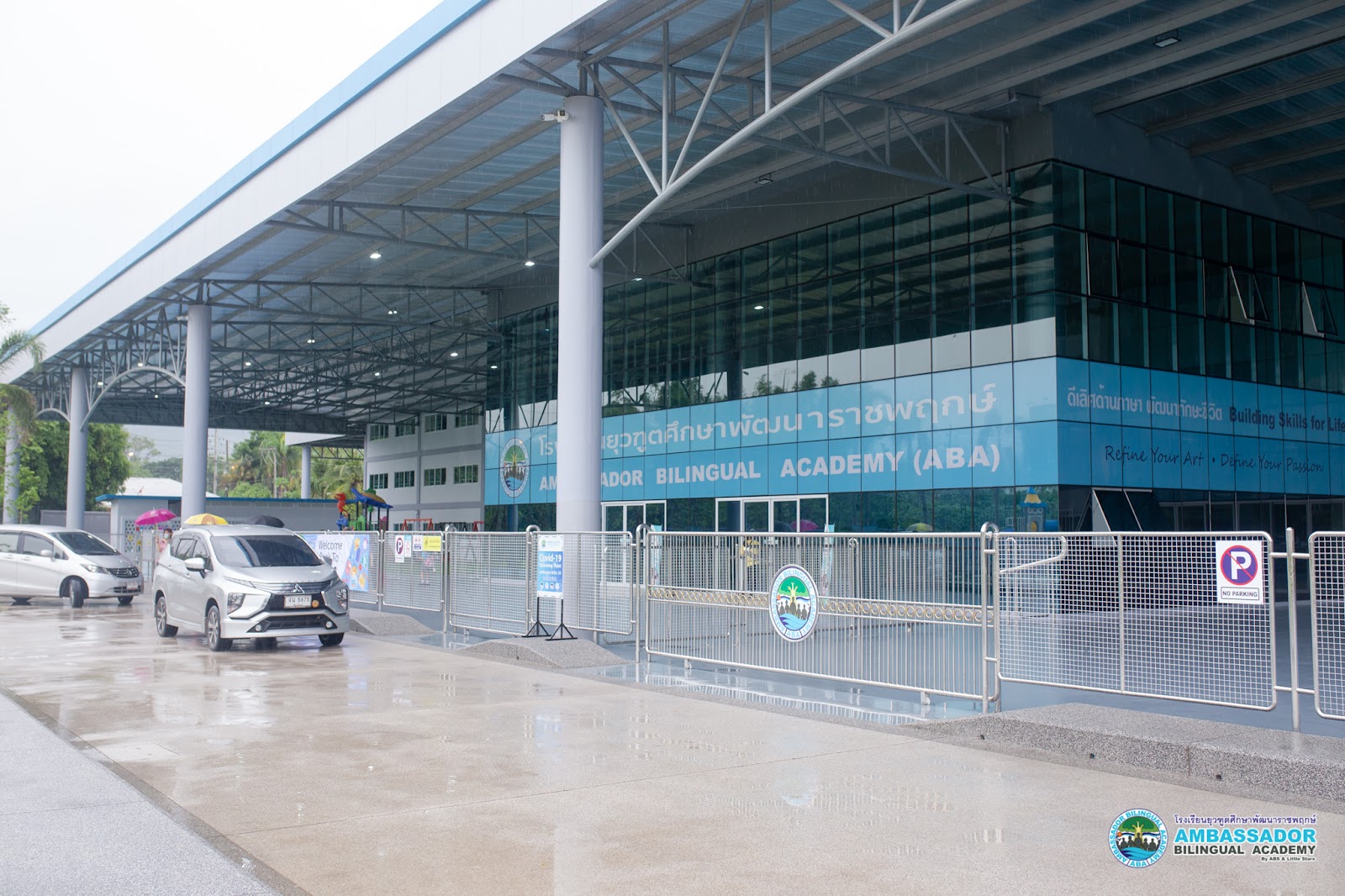
ABA is a sensible budget shortlist choice for families staying long enough to value sustained Thai alongside English. It blends Thai–English teaching with American curriculum elements and project work in Mae Hia. Support needs deserve particular attention: its published application terms allow parent-funded helpers and conditional continuation, so a low tuition figure alone does not settle the cost or suitability for a child needing extra help.
Annual tuition (2026/27): ฿123,900–฿205,800. Obligatory recurring fees bring published annual totals to ฿165,400–฿258,400, depending on program and year.
Public feedback: 2023–2024 community entries praise care, language learning, teachers and children enjoying school. Several reviewers do not state their relationship to ABA, so the displayed count is not a count of verified parents. Feedback is mostly short and positive. Ask current families about the actual balance of Thai and English instruction and how academic progress is assessed.
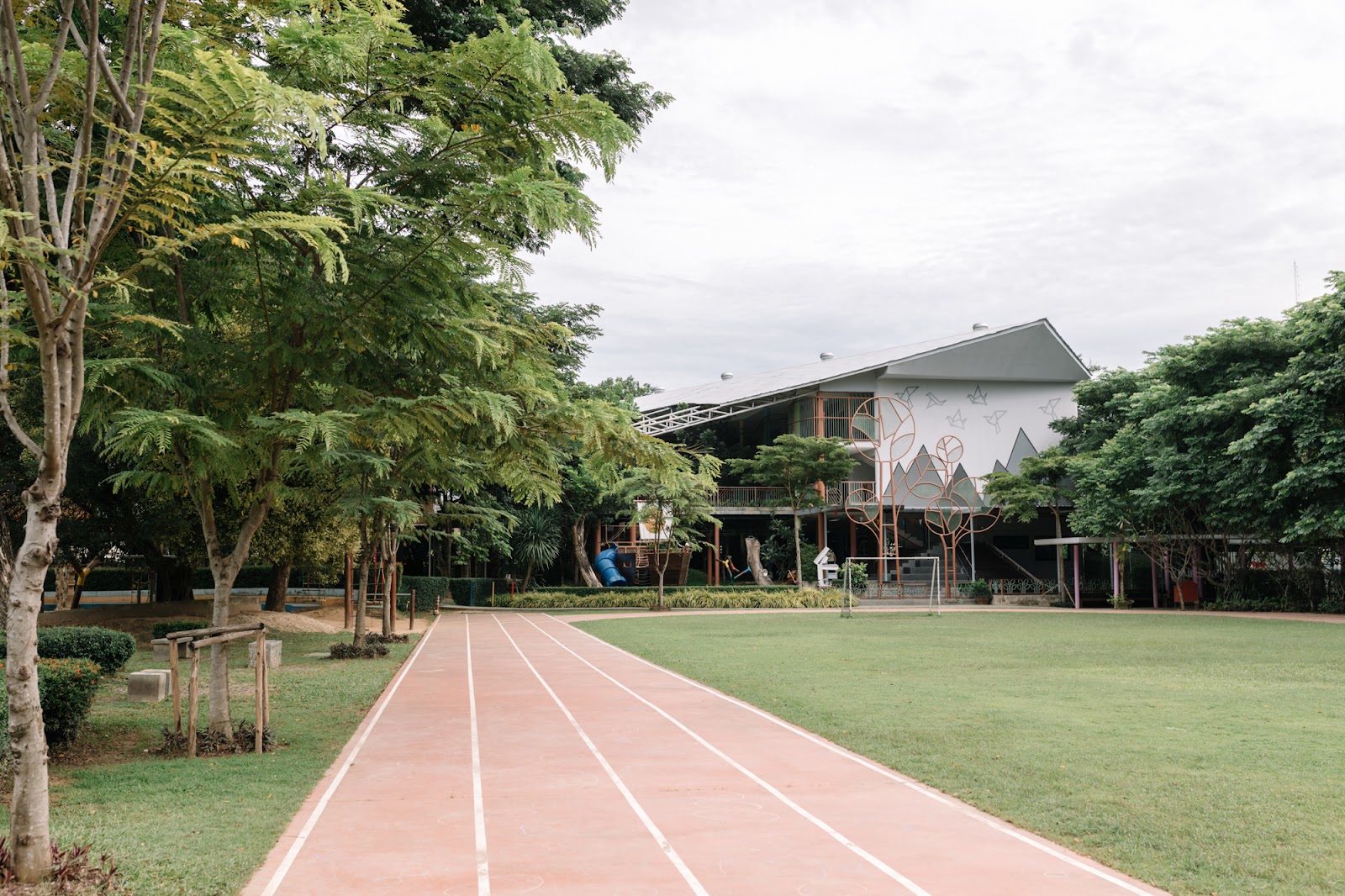
Tonkla is worth visiting for a Thai-rooted, bilingual education with project work, creativity and Chinese instruction available. It has kindergarten and primary provision, and school posts from June 2026 describe its first secondary generation. That is more than a future plan, though the occupied secondary grades and an operating A-Level class remain unverified.
Annual tuition: not published — the school quotes on enquiry.
Public feedback: A 2019 parent account praises the relaxed atmosphere, teachers, space and security; a 2024 parent comment discusses affordability. The latter’s Primary 5 endpoint is outdated relative to the current P1–P6 curriculum page. Use those older accounts for early-years context, not current fees or upper-primary outcomes.
What does it actually cost?
For a ten-year-old, published tuition here runs from ABA’s ฿161,700 to more than ฿600,000 at Lanna and Prem. The invoice is bigger: ABA’s obligatory recurring charges bring that example to ฿208,200, while entry charges and deposits can make the first year much more expensive elsewhere. Compare the whole year, not the lowest number in a school’s range.
Compare published tuition for all 23 schools
| School | Grade 5 (comparable) | Full range, youngest–oldest year | Curriculum | Year | Fee schedule |
|---|---|---|---|---|---|
| Ambassador Bilingual Academy (ABA) | ฿161,700 | ฿123,900–205,800 (tuition; obligatory fees extra) | Thai bilingual (OBEC-registered) | 2026/27 | PDF · source |
| Chiang Mai Cedar International School | ฿204,000 | ฿94,000–274,000 | American; current/legacy curriculum descriptions differ | — | source |
| Windfield French International School Chiang Mai | ฿235,000 | ฿220,000–235,000 (historical) | French primary curriculum; plan secondary elsewhere | 2024/25 | source |
| Chiang Mai Deutsche Schule (CDSC) | ฿261,000 | ฿146,000–452,000 | German (Deutsches Internationales Abitur / DIA) | 2026/27 | PDF · source |
| British Concordance International School | ฿288,750 | ฿196,350–346,500 | British (Cambridge — IGCSE + A-Levels) | 2026/27 | source |
| Cariad International School | ฿292,000 | ฿236,000–448,000 | British (UK National Curriculum) + Finnish early years | 2026/27 | source |
| Meritton British International School | ฿307,200 | ฿224,400–440,000 | British (Cambridge) · IGCSE; later phases developing | 2026/27 | PDF · source |
| Grace International School | ฿309,000 | ฿309,000–379,000 | American, biblical worldview | 2026/27 | source |
| SBS International School & SIBS Chiangmai | ฿309,300 | ฿217,900–370,300 | Cambridge Pathway (Primary, Lower Secondary, IGCSE, AS/A Levels) | 2026/27 | PDF · source |
| Varee Chiangmai International School | ฿328,000 | ฿244,000–524,000 | Cambridge International (IGCSE, AS/A-Level) — International Programme | 2025/26 | PDF · source |
| American Pacific International School | ฿330,750 | ฿250,650–524,800 | IB (PYP, MYP, DP) | 2026/27 | Main campus PDF · Main campus · Primary campus |
| Unity Concord International School | ฿340,200 | ฿201,600–386,400 | American (California/Common Core, NGSS, AERO) · AP | 2026/27 | PDF · source |
| Americana Chinese International School (ACIS) | ฿350,700 | ฿210,000–394,800 | American | 2026/27 | PDF · source |
| Panyaden International School | ฿403,000 | ฿321,000–594,000 | British + IB Diploma + Thai National Curriculum | 2026/27 | PDF · source |
| Nakornpayap International School | ฿422,800 | ฿304,500–521,800 | American (Common Core-based) · AP | 2026/27 | source |
| Chiang Mai International School | ฿426,800 | ฿341,700–580,200 | American standards-based · AP / AP Capstone | 2026/27 | source |
| Esara International School | ฿448,200 (two terms) | ฿330,600–500,000 (two-term equivalent) | Montessori (AMI) + integrated secondary | Unstated | source |
| Singapore International School Chiangmai (SISB) | ฿466,800 | ฿324,300–564,300 | Singapore curriculum + Cambridge (AS/A Levels) + EYFS early years | 2026/27 | PDF · source |
| Mill Hill International School Thailand | ฿551,250 | ฿447,300–642,600 | British (UK curriculum) | 2026/27 | source |
| Prem Tinsulanonda International School | ฿604,000 | ฿416,000–814,000 | IB (PYP, MYP, DP, CP) — 4-programme IB World School | 2026/27 | source |
| Lanna International School Thailand | ฿616,200 | ฿413,400–803,400 | British (National Curriculum of England / Cambridge) · IGCSE + A-Levels | 2026/27 | PDF · source |
| Tonkla School | — | not published (low conf.) | Thai national + Finnish Toolkit kindergarten + IPC primary (Int'l Program) | — | — |
| Bright Seeds International School | preschool only | ฿172,000–260,000 (third-party estimate) | British EYFS (Early Years) | Unverified | source |
The comparison column uses the published Grade 5 or corresponding year-band fee, roughly age 10–11. School year labels and placement rules differ; the British Year 5–6 bands quoted here share the same price. Full ranges span the youngest to oldest provision and are less useful for comparing one child.
Fees reviewed 16 October 2026. Figures are annual tuition in baht unless labelled otherwise. APIS’s ฿120,300 Pre-Nursery charge is semester two only, not a full-year minimum. Esara’s undated per-term display is multiplied by two; Bright Seeds is an unverified third-party estimate; Windfield remains historical. The source and fee year matter.
Get separate first-year and returning-year totals, including application and entry charges, refundable deposits, recurring levies, meals, buses, uniforms and assessed support. Our Lanna versus Prem comparison and Panyaden, Grace and SBS comparison explain the practical differences.
How do you choose?
There's no single "best" international school in Chiang Mai — only the best fit for your child's learning style, your budget, and your long-term plans. A British family expecting to return to the UK may prioritise entirely different factors from a family planning to stay in Thailand long-term, or one seeking an IB pathway for global university options. The school that's right for your neighbor's kids may be entirely wrong for yours.
If you want to explore options in person, the Chiang Mai International School Education Fair is worth attending. It's an annual event where schools present directly and you can talk to admissions staff in one place — free entry for visitors.
For families who want to think through the decision before committing to a neighborhood and a lease, this is exactly the kind of thing we work through in a CNXlocal relocation consultation. Not to make the decision for you — to make sure you're asking the right questions first.
And if you're weighing international school against alternatives, our guide to homeschooling and worldschooling in Chiang Mai is coming soon.
Questions to ask when visiting schools
Beyond the marketing brochure, here's what actually matters:
- What's the current waitlist situation for my child's year group?
- Does school bus service cover our neighborhood?
- What's the student-to-teacher ratio in my child's year group?
- Which languages are used in lessons, at break and in parent communication? What support would a child arriving with little English or Thai actually receive, and what does it cost?
- How does the school handle mid-year enrollment — relevant if you're not arriving in August?
- What documentation is required for enrollment, and how does it interact with our visa type? Many families in Chiang Mai use an education visa — including the ED plus guardian visa — specifically tied to school enrollment. Our guide to long-term visas for expat families covers how this works.
- What happens to transcripts and academic records if we leave Thailand — are they issued in a format recognised by schools in your home country?
- For IB schools: which specific programs are authorised and currently running, not just planned?
- What support is available for learning differences, counselling or a shadow teacher? Who assesses need, what is charged and what happens if the school cannot meet it?
- How many teachers left this phase last year? Who takes over if a teacher leaves mid-term?
- Can we see the withdrawal policy? What written notice is needed to recover a deposit, and which fees cannot be refunded?
- What are the indoor-air and outdoor-activity routines during smoke season? How do attendance and remote-learning arrangements work?
- For faith- or values-based schools, what daily participation is expected of pupils and families?
- For a newer school, which classes are operating today and what is the fallback if a planned phase or qualification is delayed?
Frequently asked questions
What is the best international school in Chiang Mai?
There isn't one — only the best fit for your family's curriculum needs, budget, location, and values. Factors like accreditation, class size, and the school's philosophical approach (faith-based, sustainability-focused, bilingual) matter as much as academic rankings.
How much do international schools in Chiang Mai actually cost?
Use the comparable-age column above and check the fee year. Tuition is only part of the cost: entry charges, deposits, recurring levies, transport, meals and assessed support differ between schools. Request a full first-year and returning-year quote for the exact program.
Are there waitlists?
Yes, especially at popular schools and for popular year groups. Apply early and have backup options. Some schools fill particular year groups months before the school year starts.
Do schools offer bus service?
Most do, but coverage and cost vary — and not all moobans are covered. Always confirm the route directly with the school before you commit to a neighborhood.
Is an education visa easy to get through a school?
A school may provide enrollment documents, but that does not guarantee immigration approval or a parent’s eligibility. Check the current requirements for your nationality and family with the school and the relevant immigration authority. Our family visa guide explains the questions to investigate.
Can we homeschool or worldschool instead?
Absolutely — and many expat families in Chiang Mai do exactly that, either full-time or in a hybrid with part-time enrollment. Our guide to homeschooling and worldschooling in Chiang Mai is coming soon.
How do Thai and international schools differ?
International schools follow foreign curricula in English, designed to translate across borders. Bilingual schools blend Thai national requirements with international elements at considerably lower cost — a solid option if you're planning a long stay and want your kids to develop Thai alongside English.
What about younger kids who aren't school-age yet?
Chiang Mai has solid options for pre-school-age children — from nannies to flexible daycares to preschools popular with expat families. Our guide to finding a nanny or daycare in Chiang Mai covers what's available, what it costs, and what to look for.
Fees and availability change annually. Always verify directly with schools before making decisions.