I wasn't around when the original Punspace opened, but I did check it out when I first moved back to Chiang Mai and embarked on my remote-work era.
I'd first heard about digital nomads in Chiang Mai as far back as 2012, but it wasn't until around 2015 that the scene really blew up. I moved back in 2016, and since then I've watched the coworking ecosystem expand and mature in all kinds of ways.
I was even fortunate enough to be the proprietor of one of these spaces, briefly, when I helped Draper Startup House launch their Thailand flagship — a hostel and coworking space in the heart of Nimman. Timing wasn't on my side, and the space closed down as a result of the pandemic. The same fate met many of Chiang Mai's OG coworking spaces, the first Punspace included. In the years since, though, coworking has bounced back bigger and better.
Chiang Mai's cafes have always been quite laptop-friendly, thanks to ubiquitous free wifi and a student-oriented cafe culture that made it fairly normal to park yourself at a table for a couple of hours. That's still true today. So coworking in the city is all about the value add — and these days we have spaces that host startup incubators, offer virtual offices and business support, run full-scale lifestyle venues with pools and saunas, or even offer coliving accommodation onsite.
When revising this article, I wanted to reorient it around what I think the true value of these spaces really is: plugging into the community and services that remote workers need to thrive in Chiang Mai. That's how what follows is organized — by what you're actually after. If you'd rather just browse every space with filters, a map, and current prices, that's the full coworking directory.
Best for Startups and the Tech Scene
If you're building something, it helps to be in the room with other people who are building too.
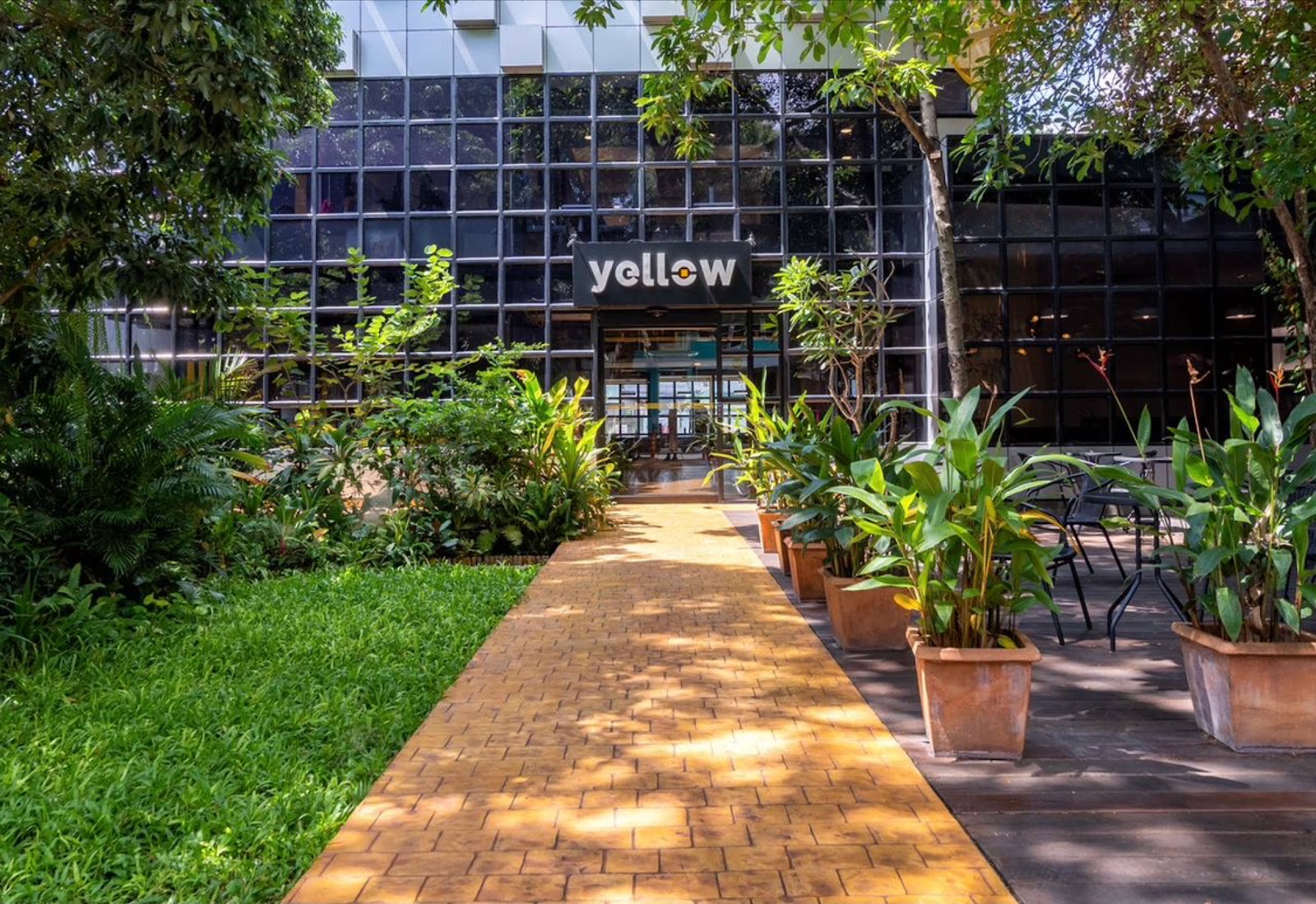
Yellow Coworking in Nimman is the center of the web3 crowd. It shares a campus with the Yellow incubator, so the space runs thick with blockchain founders — the obvious first stop if you'd rather bump into them over coffee than cold-email them later. And it's big and varied enough to change your scenery three times over without ever leaving the building.
The Brick Startup Space, also in Nimman, is run by Chiang Mai University's startup program, and it draws a serious local crowd. It's small — hot desks can get tight — but that's part of the appeal: you'll regularly share the room with the incubatees who office out of here. If you want into the local startup scene rather than the nomad-passing-through one, this is the way in.
Compare them side by side: see all startup-friendly spaces in the directory.
Best for Networking and Community
A few spaces are built so that meeting people is almost unavoidable.
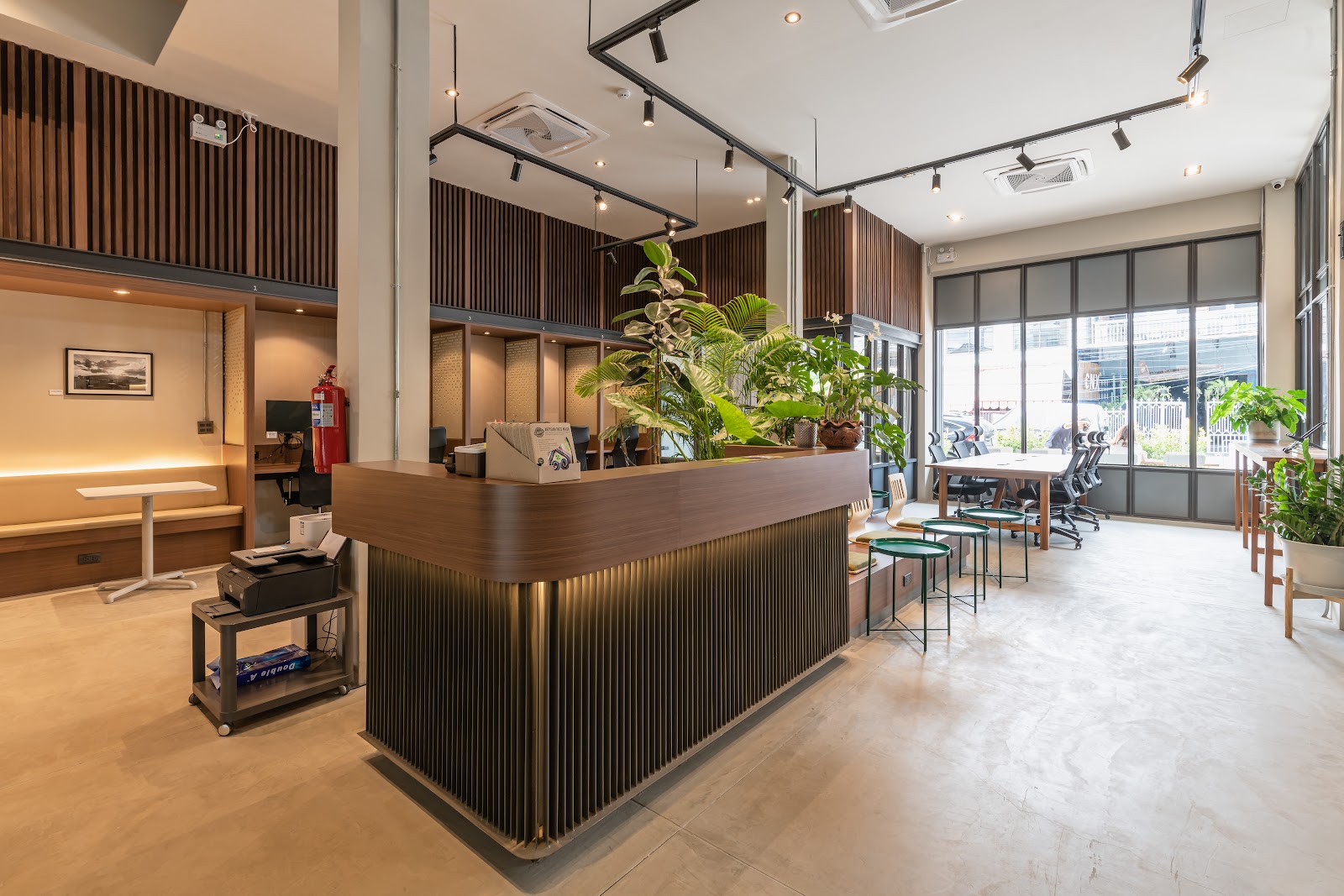
The two Alt_ locations are the standard-bearers. Alt_ChiangMai, behind Wat Prasingh in the Old City, is a full live-work-play compound — coworking and coliving under one roof, a strong community, and an events calendar that runs from rooftop yoga to talks with local founders. Come for a half-day pass, take a membership, or move in entirely. Its sibling, Alt_PingRiver, brings the same energy to a quieter waterfront setting across the river in Wat Ket. One thing to know: passes aren't shared between the two branches, so pick your side or budget for both. Both are among our top recommendations, plainly.
Nearer Nimman, Hub53 is the relaxed nomad clubhouse, and an easy place to land if you're arriving on your own. It'll always hold a special place in Kris's heart: it's where he originally landed, literally with just a backpack, his laptop, and three shirts.
See all coliving spaces in the directory.
Best for Deep Work
Some days you don't want a scene. You want quiet and a deadline.
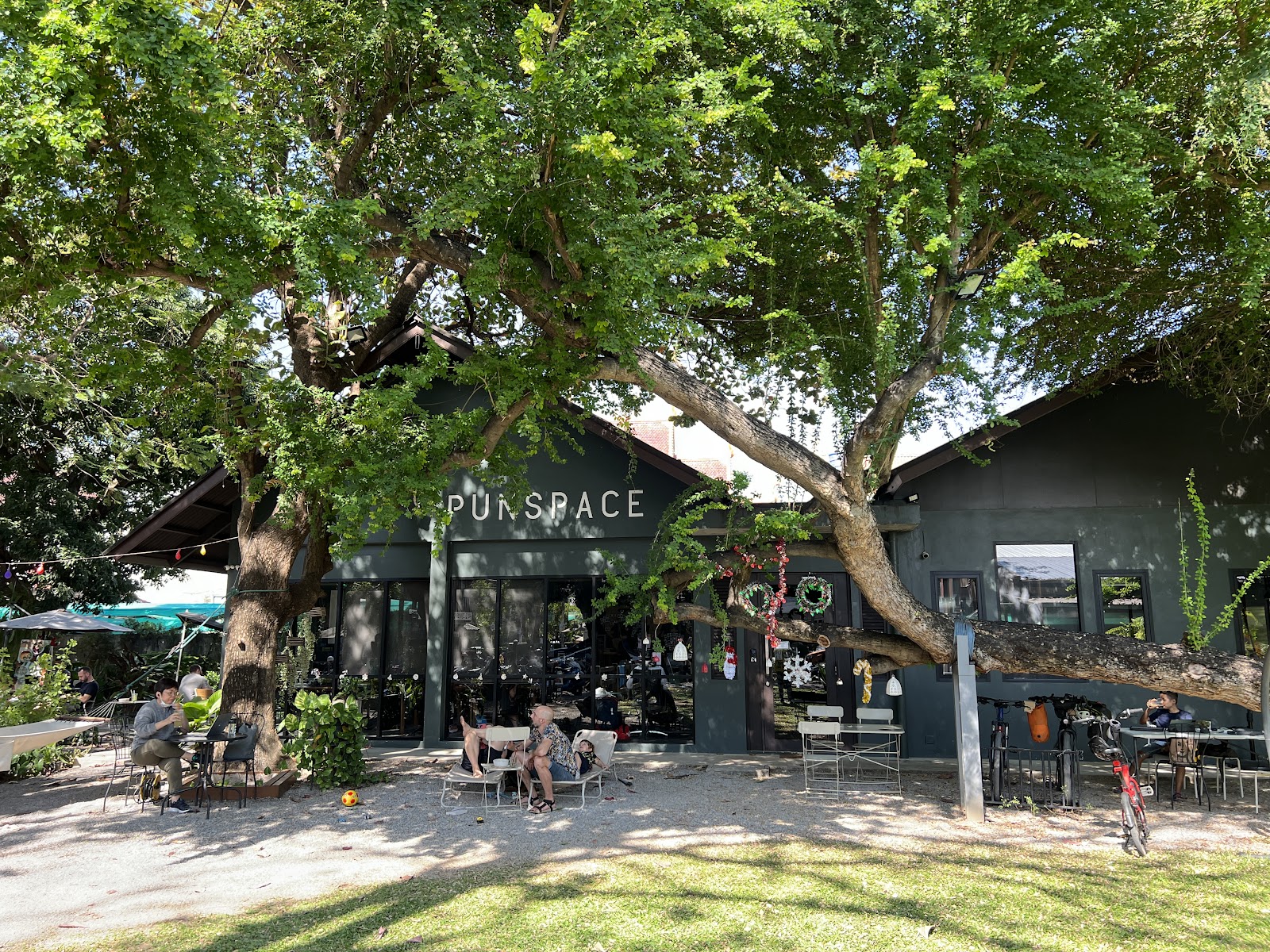
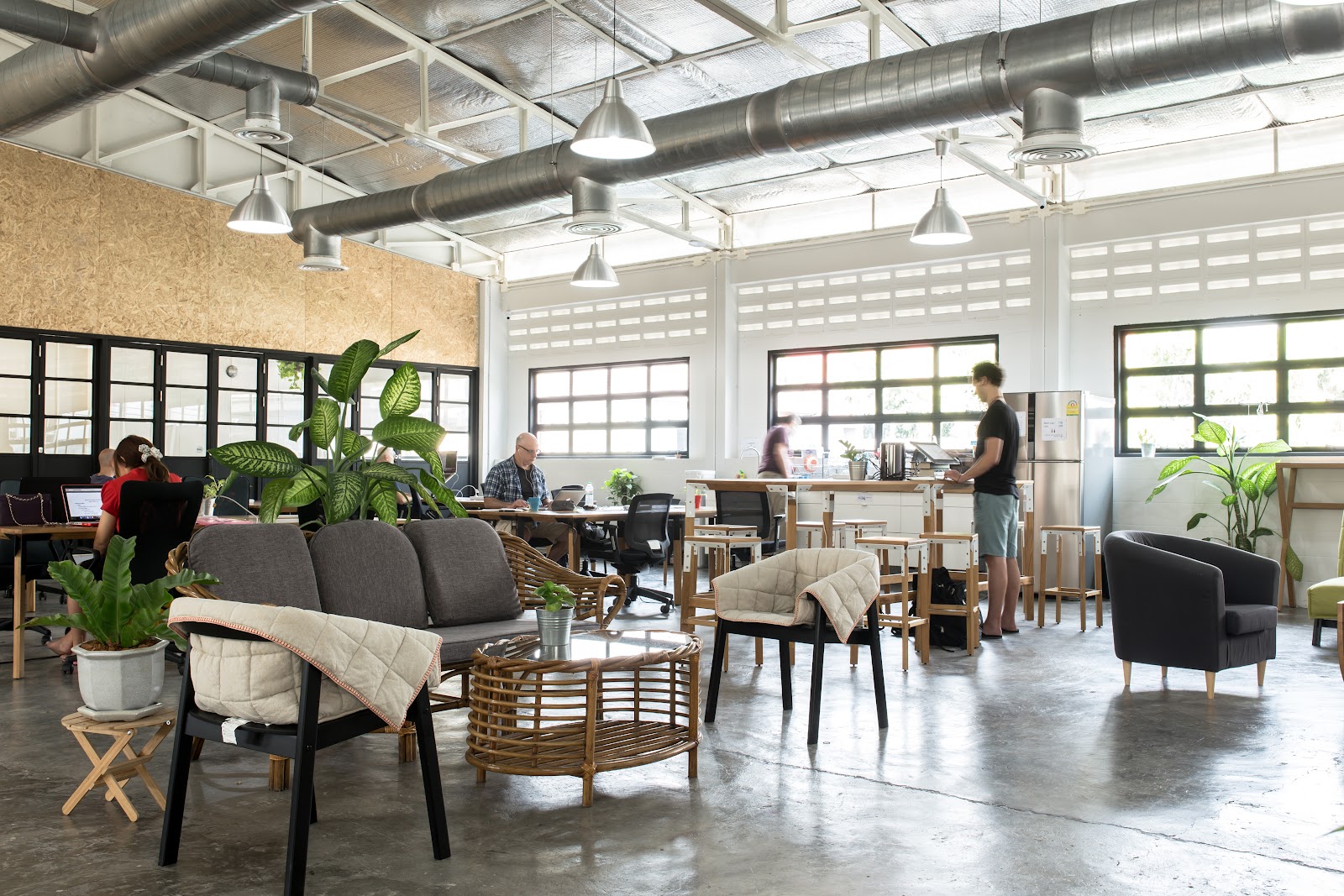
Punspace is Chiang Mai's original coworking brand, and its two Old City branches are the classic choice for heads-down work. Wiang Kaew sits on a green lot sharing a plaza with small cafes, so lunch is never a problem; the Tha Pae Gate branch is an industrial-style loft with a maker space next door, 3D printers and all. It's known for being quiet, though the lunch socials and workshops give you a way to mingle when you want one.
Life Space is an edgy, industrial loft in the heart of Nimmanhaemin that runs on library rules — a hush so deliberate it's almost a personality. Spread over two floors, it's short-term only: the place to slip in for a few hours of monastic focus, not to set up a monthly base.
Nim Space, also in Nimman, tends to draw a more Thai crowd of local developers. If you have some of the language, it's a good place to make connections you won't find in the nomad bubble.
Out in Hai Ya, Smart&Start @ Weave stays calm and heads-down precisely because it runs mostly on memberships rather than walk-in traffic — set inside the beautifully styled Weave Artisan Society warehouse. It also handles visas and business setup, handy if you're putting down roots while you settle in.
See all quiet coworking spaces in the directory.
Best for Media and Creatives
Chiang Mai's creative streak runs deep — UNESCO didn't name it a Creative City for nothing — and a handful of spaces are built for people whose work is shot, made, or printed rather than typed.
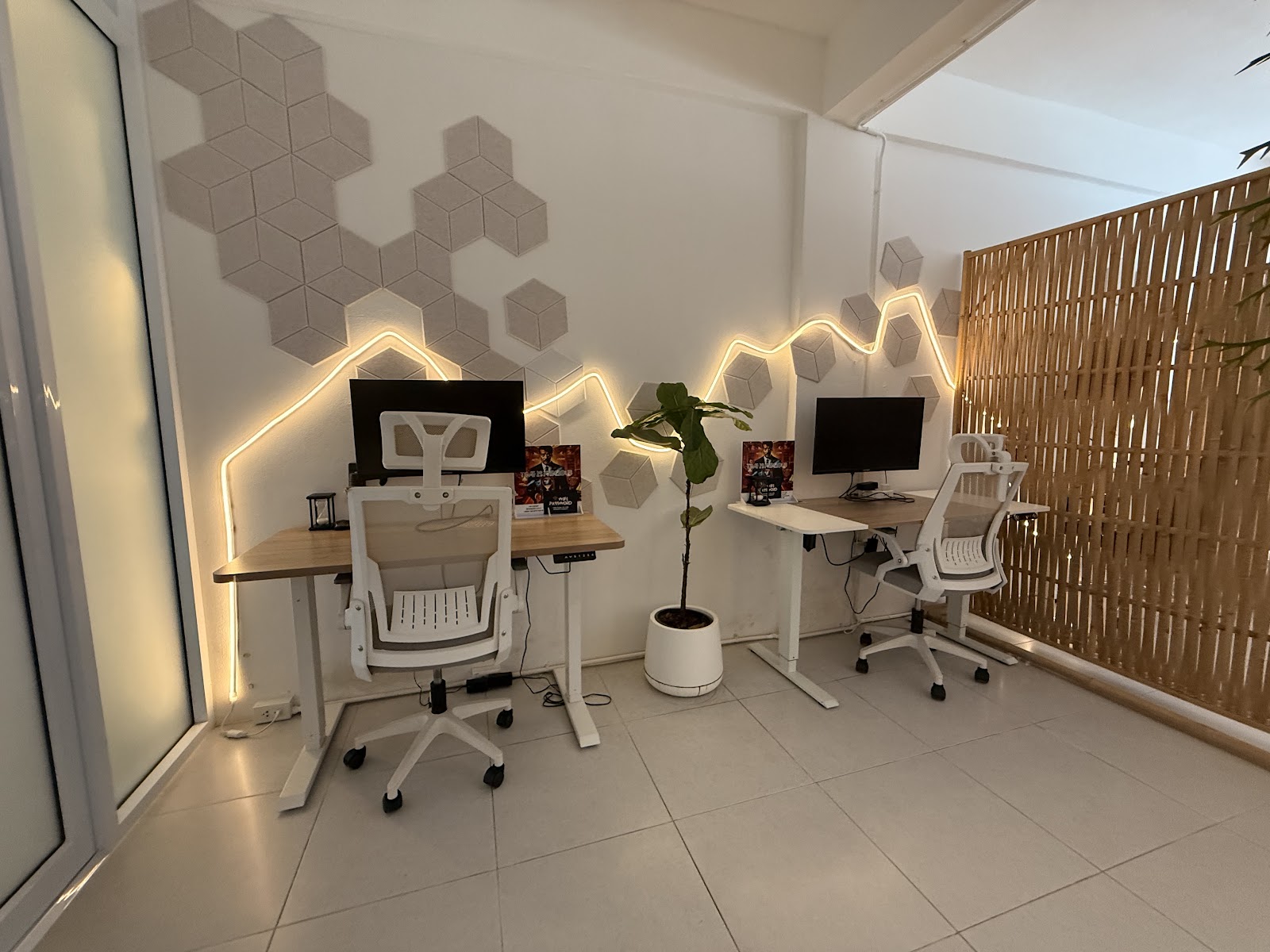
RealSpace in Chang Puak runs an on-site production studio with pre-lit sets, pro cameras, and mics — the pick if your work involves a camera. Nearby, CNXbackstage rents a photography, yoga, and aerial studio for shoots that need room to move. Atelier 36 in Jed Yod is a serene, low-density garden space suited to small creative teams and masterminds. And Heartwork in Chang Klan — a converted printing warehouse with a soft-pink upstairs — still runs as a working print and design house, so they'll turn out your business cards or brochures while you're there.

Best for Work-Life Balance
This is the "play" half of the equation — spaces that take recovery as seriously as the work.
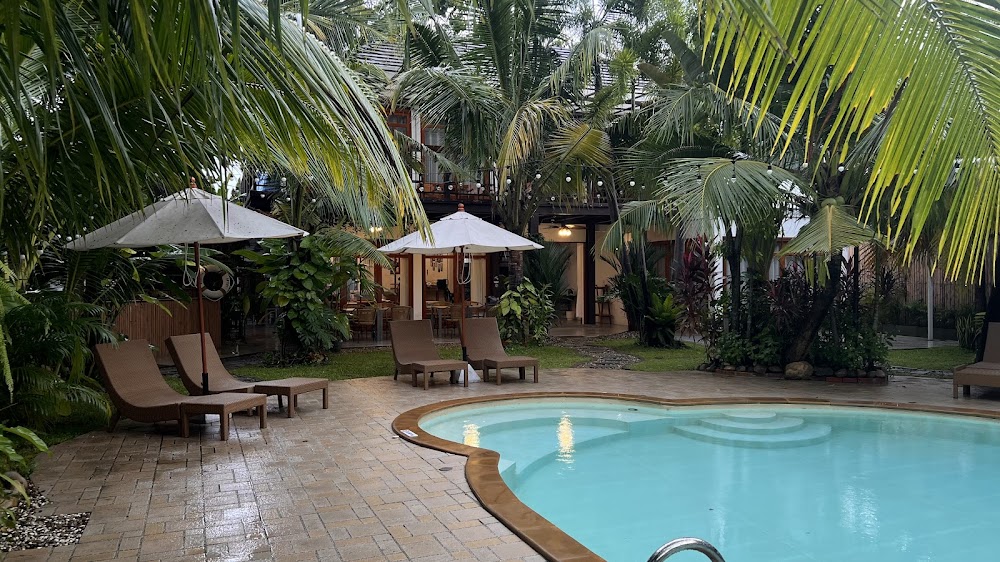
The Coco Club in Jed Yod pairs desks with a salt pool, a wood-fired sauna, and an ice-bath cold plunge. Ferment Space out toward Hang Dong, in Nam Phrae, goes further still: lakeside pool, saunas, cold plunge, gym, and a pickleball court. Both suit the remote worker who wants an active routine built around the desk, not bolted on after it.
Best for Establishing a Business
If you're putting down real roots — registering a company, sorting a visa — a few spaces handle the paperwork.
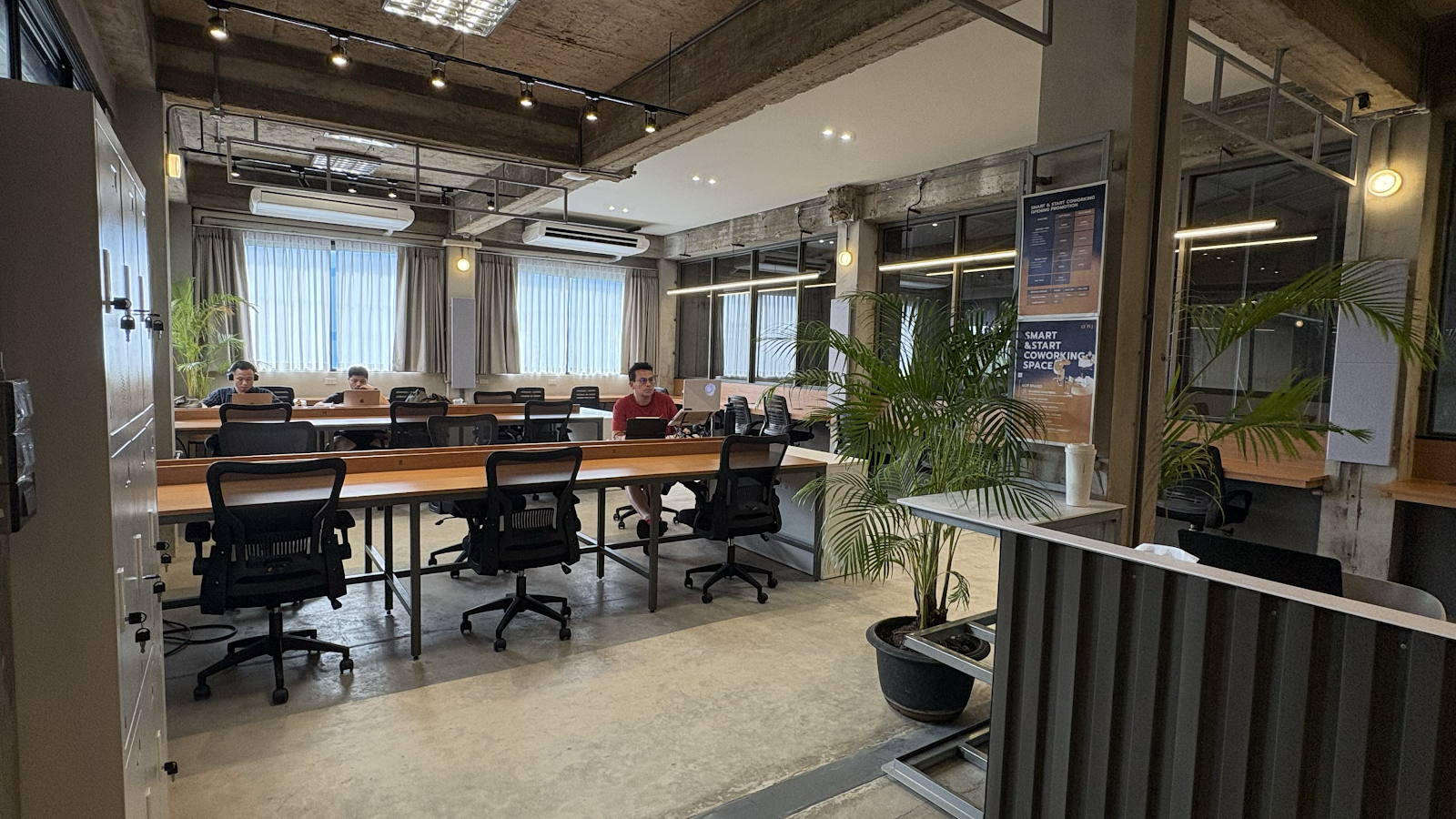
UnionSPACE in the Old City runs a visa concierge alongside virtual-office and company-registration support. Smart&Start @ Weave (see Best for Deep Work) handles the same visa-and-registration legwork. And for a buttoned-up corporate setup — a proper boardroom, a professional address, other professionals to work near — Regus at Chiang Mai Icon Park delivers, even if it's a long way from the laidback nomad vibe.
Best for Working Parents
Coworking with kids in the mix is its own problem — school runs, nap windows, and what to do with a child on a school holiday while you're on a call.
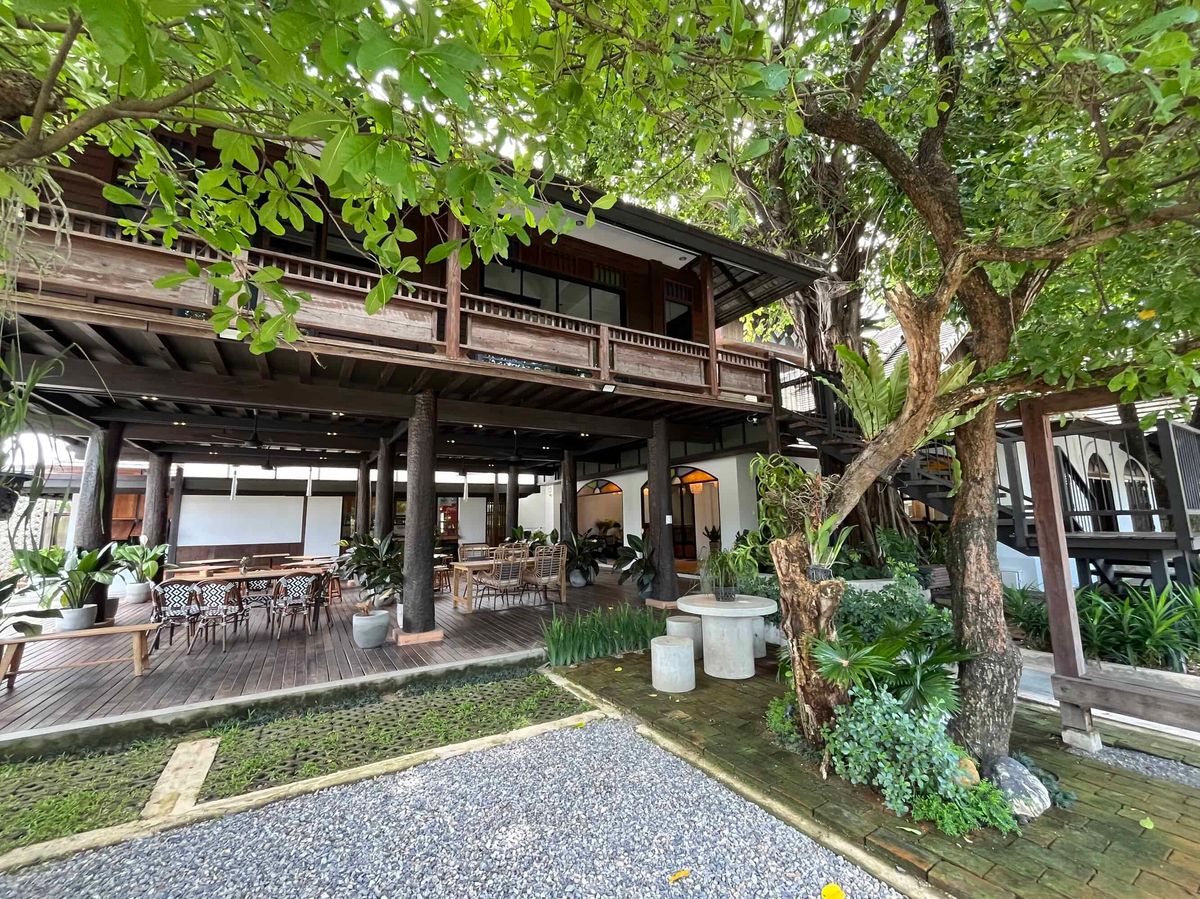
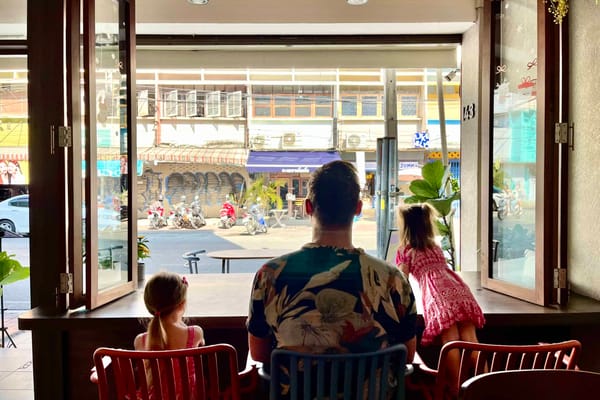
For a lot of working parents, the real answer isn't a coworking space at all — it's a kid cafe with a play area and laptop-friendly seating, where the kids are occupied and you can steal an actual hour of work. From our kid-friendly directory, a few stand out for parents who need to get something done: After School, Reyn.ne', Little Soul Kids Planet, and Ma Plearn. Over on the east side near Central Festival, Vaanaa — a longtime hidden nomad spot — is now great for parents too, thanks to its humongous covered playground.
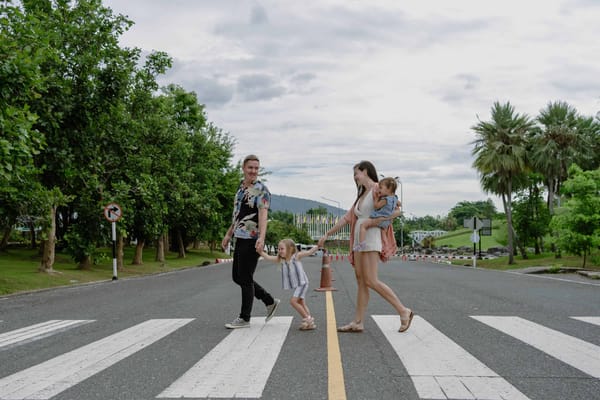
We discovered half of these spots touring the city with the Little Owls playgroup, toddler in tow (highly recommended if you've got a little one of your own). And here's something you'll clock quickly: parents tend to bring the whole family, and the traditional division of labor is alive and well. More often than not it's a gang of moms chasing the kids around while the dads park their laptops nearby, stepping in now and then to lend a hand or take a turn on the jungle gym.
See all laptop-friendly kid cafes in the directory.
Best for Your Baht
The cheapest way to cowork in Chiang Mai is to skip coworking. The cafe culture here means a good laptop-friendly cafe — fast wifi, outlets, and a coffee you actually want — costs you the price of that coffee and nothing more.
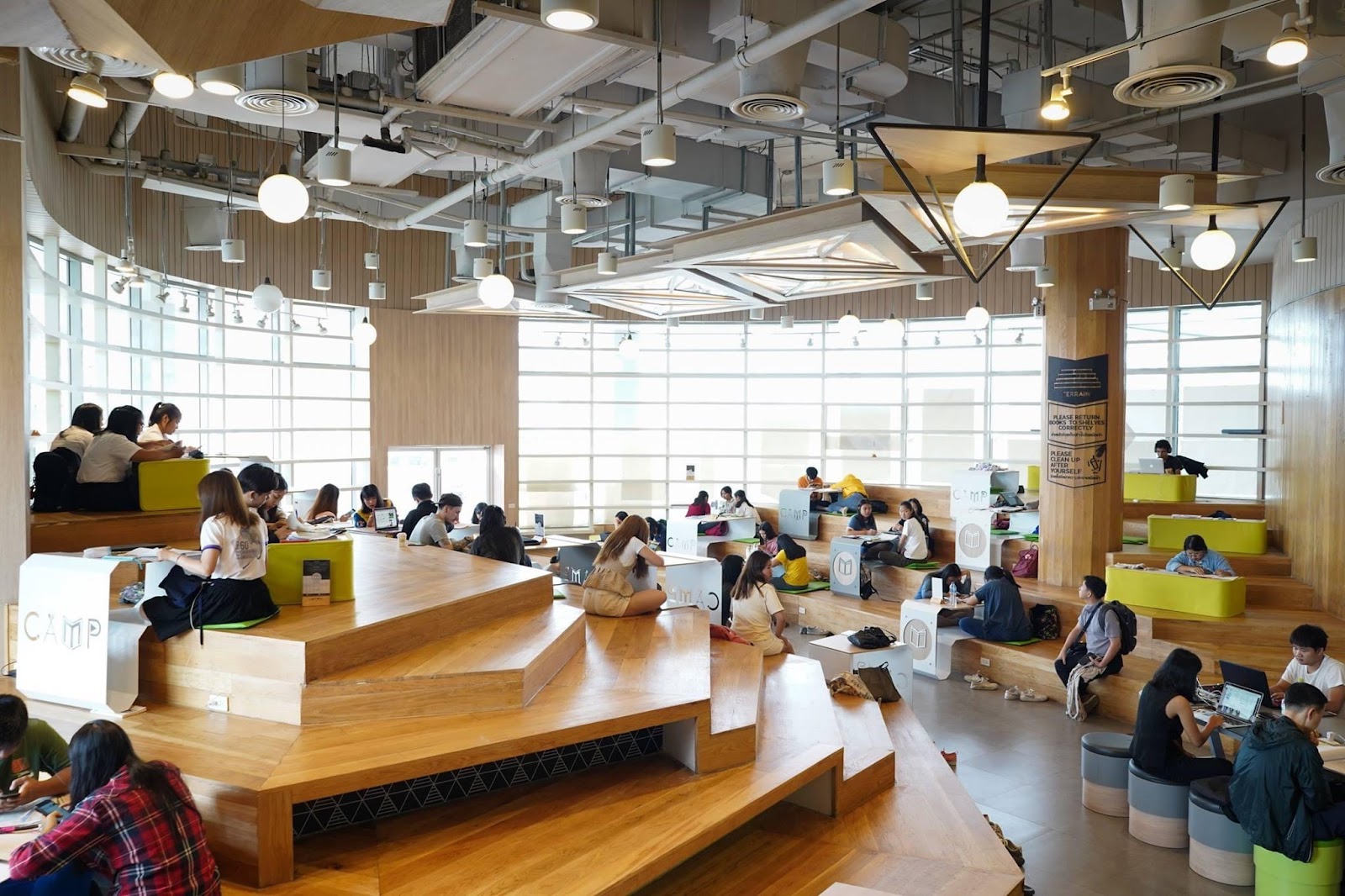
A few that earn their keep for a real work session:
- CAMP at Maya — big, air-conditioned, and open late. The cafe-credit model (spend around ฿50, get a couple of hours of wifi) makes it a dependable fallback.
- The Story 106 in Chang Moi — a beautiful teak-showcase space with a spacious coworking floor upstairs; buy something and you're online.
- Blue Coffee at CMU — quiet, green campus views, and a table to settle into for the price of a coffee.
- Blue Coffee Mae Hia — the same easy formula out on the south side.
For the full list, see our work-friendly cafes guide.
How to Get the Most from a Coworking Space
A few things worth knowing when you're turning a desk into a community:
- Day-pass hop before you commit. Most spaces sell walk-in passes. Try a few before you buy a month anywhere — the feel of a place matters more than its amenities list.
- Go to the events. The rooftop talk, the Friday social, the workshop. This is where the actual network is, and it's the whole reason to pay for a space instead of a coffee.
- Match the space to the week. A quiet room for a heads-down sprint, a social one when you need people. There's no rule that says you only get one.
- Plan around burning season. From roughly February to April the air gets rough. An enclosed, air-purified space earns its keep fast, so ask about filtration before signing up for a March membership.
How to Choose Your Coworking Space
There isn't one best coworking space in Chiang Mai. There's the best one for the version of you who showed up this month, on this project, in this season of life — and the scene rewards the people who wander in and say yes to the rooftop thing.
So which one are you starting with? Browse the full directory to filter by neighborhood, budget, and amenities; choose the Chiang Mai Map Pack to keep the key places together in Google Maps; and if you're moving the family over and want a local who's done it, book a call.
And if you're still deciding where to base yourself, our neighborhood guide and cost-of-living guide pair well with this one.