

How much does it actually cost to live a good life in Chiang Mai?
Half the internet seems to be bragging about how cheap it is or how little they can spend — and then getting absolutely blasted in the comments. The whole thing gets more confusing when alarmist headlines about how Thailand is “no longer cheap” and you should move to X, Y, Z country instead get so many clicks.
I love living in Chiang Mai and I’m always happy to recommend it, because I genuinely believe you can afford a really good life here whatever your budget. This cost of living guide is here to balance the clickbait and the ambiguity — based on my actual experience.
I’ve lived in Chiang Mai as an adult across various stints: as a broke English teacher, a freelancer navigating the feast and famine cycle, a well-salaried startup employee, and now as a stay-at-home mom living comfortably in suburbia on my husband’s remote income. This guide gives you snapshots from each of those phases — real lifestyle breakdowns with notes for inflation and how things have changed over time.
Chiang Mai accommodates an incredible range of budgets. Resources like Numbeo and Nomad List are worth a look, but they’re barely the tip of the iceberg, and not really actionable. My goal here is to give you not just grounded numbers — but an understanding of how to actually achieve that budget and the variables that will affect it.
Chiang Mai Cost of Living at a Glance
| Budget Tier | Monthly (฿) | Monthly (~USD) | Who It’s For |
| Teacher / ESL / NGO | ฿18,500–41,000 | ~$600–$1,300 | Local salary earners, first-timers, low-overhead arrivals |
| Freelancer / New Nomad | ฿28,000–61,500 | ~$900–$2,000 | Early remote workers, modest online income |
| Salaried Remote Worker | ฿90,000–185,000 | ~$2,900–$6,000 | Established remote salary, comfortable lifestyle |
| Remote Family (no int’l school) | ฿94,000–200,000 | ~$3,000–$6,500 | Young family earning USD enjoying suburbia |
A single person can live comfortably in Chiang Mai for $900 to $2,000 per month. Budget-conscious expats spend as little as $600, while families typically spend $3,000 to $6,500. At current exchange rates, $100,000 would last 4 to 8 years depending on lifestyle.
Ranges are wide because your choices drive the number more than the city does. The key variables are rent and location, food habits, transport, utilities, healthcare, domestic help, visas, international schools, and burning season — all covered in detail below after the budget breakdowns.
The Teacher / ESL / NGO Budget
฿18,500–41,000/month (~$600–$1,300)




When I moved back to Chiang Mai after college graduation, my very first job was test-prep and English tutoring at ฿200 (~$6) an hour. My friends in this era were English teachers, NGO workers, and journalists — some earned a little more or a little less, but we lived very similar lifestyles.
We drove second-hand motorbikes of varying quality, went out three to five nights a week, and roamed the surrounding countryside in a motorcycle gang each weekend in search of a waterfall or a beautiful body of water. It was the brokest I’ve ever been, and I was having the time of my life.
When times were good, I’d treat myself to hangover brunches at Smoothie Blues. When I was short on hours I made do with khao mun gai, guay tiew, or pad thai on the street. Prices have gone up a bit since those days, so I’ve marked up my estimates accordingly. I personally didn’t pay rent or do visa runs at the time, but I’ve substituted estimates in today’s rates for both.
| Category | Monthly (฿) | Notes |
| Rent | ฿4,000–8,000 | Basic studio or shared house |
| Utilities | ฿500–2,500 | Electric can surprise you — AC even occasionally adds up fast but water is cheap and so are data plans |
| Food | ฿5,000–8,000 | Eat street food and shop at markets; splurge occasionally |
| Transport | ฿2,000–4,000 | Buy a second-hand motorbike or rent, but gas is cheap |
| Going out / social | ฿3,000–6,000 | Your most variable costs, but probably half the reason you’re even in Thailand |
| Visa | ฿0–1,500 | School jobs come with proper visa sponsorship and maybe just a single visa-run to start, but you’re on your own if you teach online |
| Travel | ฿2,000–8,000 | Save toward an annual flight home or splurge on long weekends and school holidays around SE Asia |
| Misc | ฿2,000–3,000 | Toiletries, clothes, the occasional splurge |
| Total | ฿18,500–41,000 | ~$592–$1,312 |
How to Start This Life
Even at 2026 prices, this lifestyle is still very much alive and accessible — the biggest lever is getting a job that will sponsor your visa. For native English speakers with a college degree, that bar is easily cleared. English teaching positions in Chiang Mai pay roughly ฿30,000–60,000/month (~$960–$1,920) depending on the school. Teaching online is an accessible path for many, but then you’re on your own for a visa. Back in my day, those friends just did frequent border runs — but that’s dicey now.
From there, it’s the simple logistics of where you live and how you get around. You can still find a budget studio in Jed Yod, Santitham, or Suthep for less than ฿4,000/month (~$128) if you’re willing to do the legwork (literally — these places are not going to be found online and you’ll need to pound the pavement). Buy a secondhand motorbike for ฿10,000 (~$320) give-or-take, and you’re basically sorted since it only costs ฿150 (~$5) to fill up. After that, what you have left is all for food and fun.
The Freelancer / New Nomad Budget
฿28,000–61,500/month (~$900–$2,000)


I left Chiang Mai for better career opportunities, but after I started working remotely, I decided to move back because this is where I’ve always been happiest. My initial runway was an $800/month part-time gig that I could only count on for a few months so it was sink or swim.
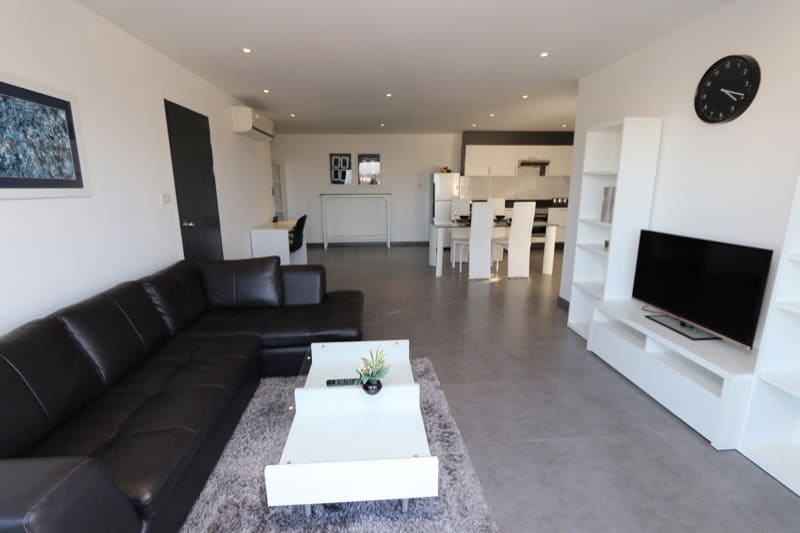
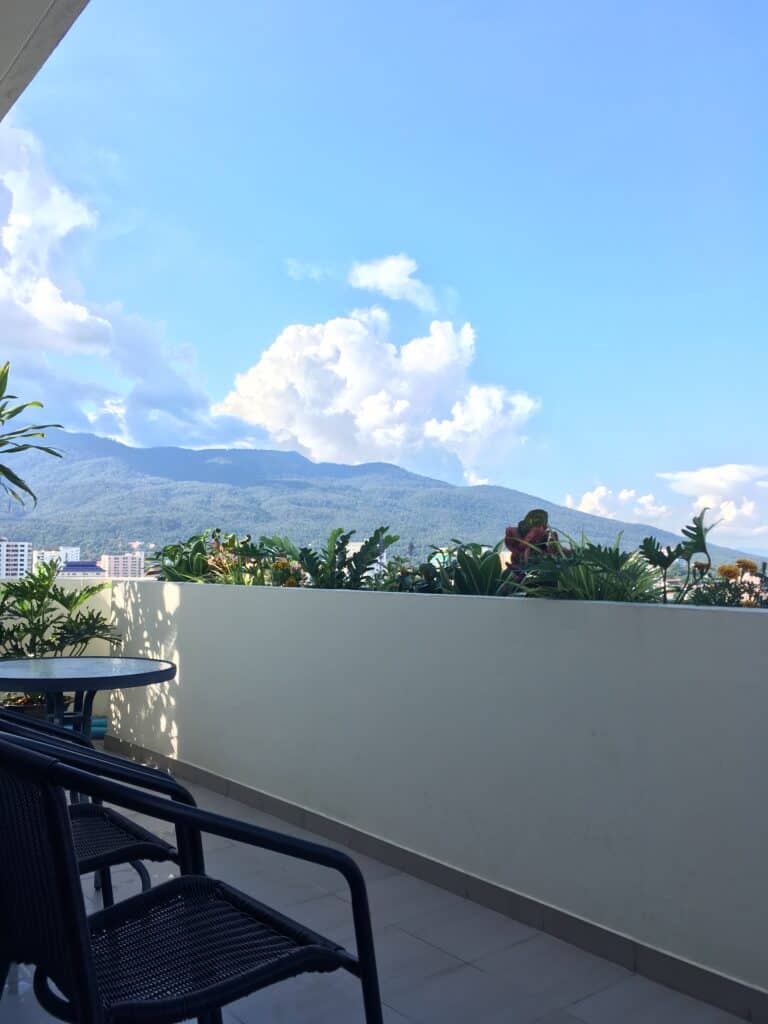
At the time of the move, I had a boyfriend who owned his own condo — so luckily I was saving on rent. That penthouse behind Maya Mall would otherwise have cost my share of ฿25,000 (~$800) a month. Living so close to Nimman, my money often went to day passes for coworking or fancy lattes, dining out, bougie bars, and grocery shopping at Rimping. Of course I knew how to do Chiang Mai on a budget, but it was the months I was earning at least $1,500 that I enjoyed myself the most.
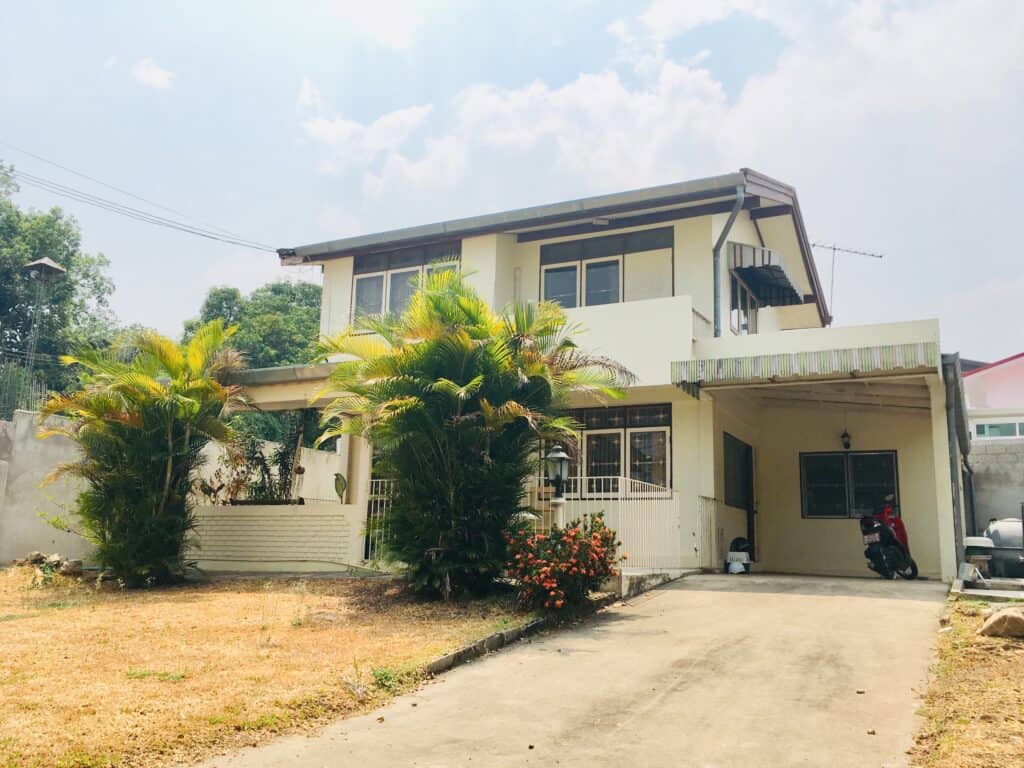
When I broke up with that boyfriend and moved into a house on Suthep, I suddenly only needed to spend half as much on food — but I was still on the hook for ฿17,000 (~$544)/month on my two-bedroom house, unless I had a roommate to split it with. I mostly rode my scooter around, but Grab was on the scene by then for the occasional excursion or big shopping trip.
| Category | Monthly (฿) | Notes |
| Rent | ฿8,000–15,000 | Nice studio or 1-bed with a Western kitchen and AC |
| Utilities | ฿2,000–4,000 | Internet and data alone runs ฿1,200 (~$40) minimum; electricity on top of that, more in hot season |
| Food | ฿8,000–15,000 | Control this dial by choosing how much you eat Thai food vs farang food |
| Transport | ฿2,500–4,500 | Scooter rental or ownership plus fuel plus occasional Grab |
| Coworking / cafes | ฿1,000–4,000 | Free wifi abounds, but coworking offers networking and community |
| Social & lifestyle | ฿3,000–6,000 | Low end means going out no more than once a week or being strategic. High end is saying yes to everything. |
| Travel | ฿2,000–10,000 | Low end is weekend day trips; high end covers a regional flight and hotel every other month amortized |
| Misc | ฿1,500–3,000 | Massages, gym passes, monitor rental perhaps, occasional health or dental expenses… |
| Total | ฿28,000–61,500 | ~$896–$1,968 |
How to Dial in This Budget
For nomads on a budget, the big challenge is figuring out the balance between work and lifestyle. The cost of just rent in London or New York comfortably covers all of your expenses here, but if you want a cosmopolitan lifestyle, even in Chiang Mai that’s going to cost you.
In this era, I had friends who spent only ฿5,000 (~$160) a month on rent so they could spend more on partying and travel. I also knew workaholics who splashed out on a really nice apartment, kitting out their computer equipment, and ordering delivery for every meal because they barely ever went outside. Like I always say, Chiang Mai is great because it’s a choose your adventure kind of destination.
One of the big trade-offs for a nomad to make is visa vs accommodation. You save a lot of money with a 12-month lease instead of booking on Airbnb or renting a serviced apartment month-to-month, but the DTV’s high savings requirement makes it out of reach for most freelancers and newbies, so you end up paying more to get an education visa or something that allows a year-long stay.
The Salaried Remote Worker Budget
฿90,000–185,000/month (~$2,900–$6,000)




My peak salary while living in Chiang Mai has been $3,000 a month. I was working for an international startup, and after the freelancing years, it felt absolutely lush to have this steady paycheck. For me personally, this was when I experienced the pandemic lockdown, so I was able to aggressively save and pay off my student loans — but had int’l travel been an option that might have been spent differently.
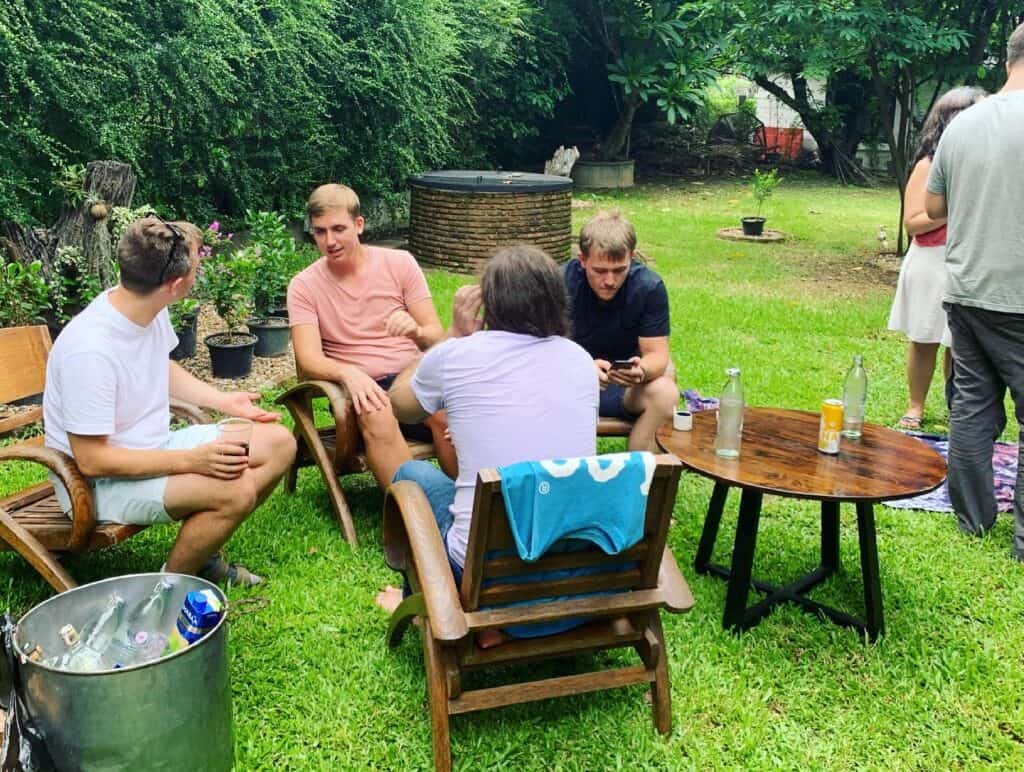
Kris and I were splitting rent on a beautiful ฿25,000 (~$800)/month house that was fantastic for hosting our frequent BBQs and icebath gatherings, we had pets (three cats and a dog), we took trips to Pai and Krabi and got great accommodation deals. We spent burning season down on Koh Phangan with our best friends sharing majestic pool villas. We were living large!
| Category | Monthly (฿) | Notes |
| Rent | ฿15,000–40,000 | Nice 1-2 bed condo or house in the city |
| Utilities | ฿2,500–5,000 | Internet, AC, and the rest — expect spikes March–May |
| Food | ฿15,000–30,000 | Comfortable mix — Rimping occasionally, eating out regularly |
| Transport | ฿5,000–15,000 | Scooter + lots of Grab; car ownership starts making sense for some |
| Social & lifestyle | ฿20,000–40,000 | Gym, nice dinners, activities, saying yes to things |
| Travel | ฿15,000–35,000 | Explore somewhere new every few weeks with Chiang Mai as your base |
| Misc | ฿17,500–20,000 | Healthcare, dental, household, personal care |
| Total | ฿90,000–185,000 | ~$2,880–$5,920 |
How to Lock in the Good Life
The nice thing about money is it gives you security and options. In this budget range, life in Chiang Mai gets significantly more comfortable — and because you can commit to a year lease, you get access to a much greater range of accommodation. Whether that’s a house with more space and a yard, or one of the luxury condos where you can enjoy a rooftop pool, coworking, gym, and sauna on-site.
The DTV also becomes a likely option at this range. Thailand’s made-for-purpose nomad visa gives 5 years of access with a single application, with a generous 180 days per entry — back to back and multiple entries per year allowed. You just need to prove the equivalent of ฿500,000 (~$16,000) in savings and demonstrate proof of remote work.
If you lock in Chiang Mai as a home base, it starts making sense to invest a little more in the niceties of your personal space — a monitor, an ergonomic chair, outfitting your kitchen properly. At this budget, you can sit down at any cafe, restaurant, or bar without looking at prices. A ฿400 (~$13) cocktail is pretty steep for this city, but it’s a splurge you can afford. Lifestyle creep becomes very real — but all of Chiang Mai’s budget options are still accessible, so it’s pretty easy to rein in without depriving yourself in the least.
The Young Remote Family Budget
฿94,000–200,000/month (~$3,000–$6,500)




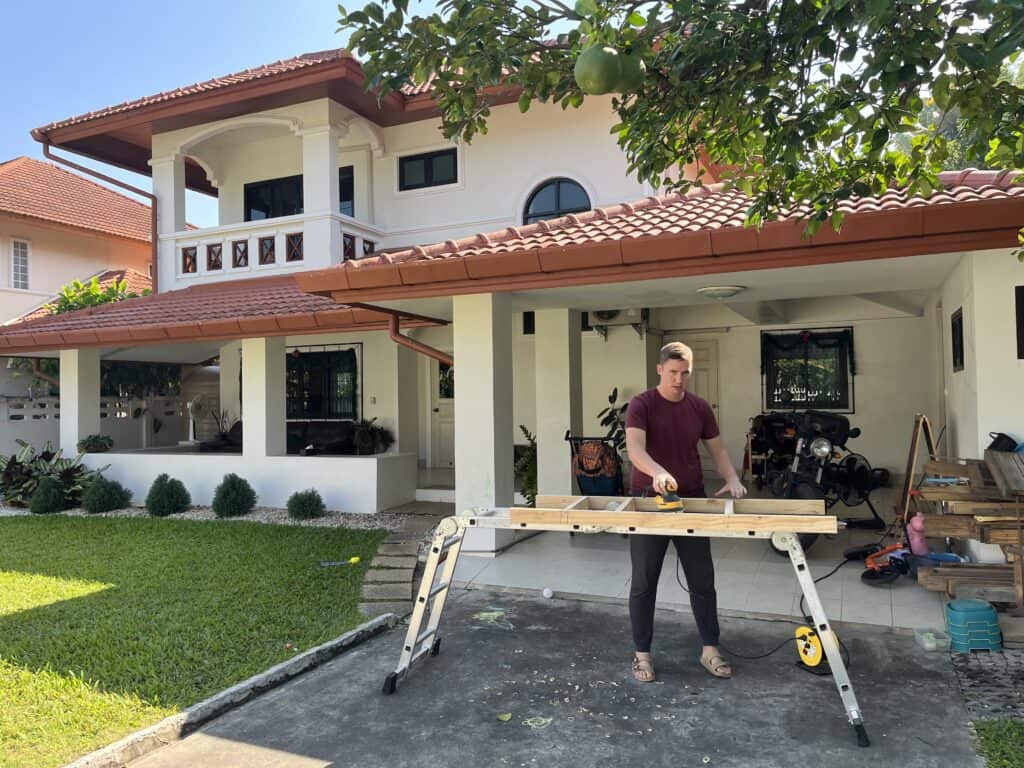
Our family of four averaged around ฿130,000 (~$4,160)/month this past year. We live in a sumptuous 5-bedroom house in a gated community. We have two cars, a modest Honda CRV and Kris’ beloved vintage BMW, plus two motorbikes. We typically have a fulltime nanny plus an additional housekeeper who comes once a week, and our 4-year-old recently started at the local Thai Waldorf school. We go out to dinner or get takeout once or twice a week, do a family excursion every weekend, and travel domestically every couple of months.
All this on one man’s salary — I’m pretty much a stay-at-home-mom. Since Kris often bills twice what we spend, we actually manage to save and invest a fair amount. Our big hope this year is to buy a home (since I’m Thai, a mortgage and full ownership are actual options for us).
If we were planning to send our kids to international school or we liked going back to the US/Canada every year, then we would need to be a lot more careful with our spending — but luxury to me is going to Rimping and basically buying whatever I want (steaks, imported niceties, organic everything) so I feel well spoiled.
| Category | Monthly (฿) | Notes |
| Rent | ฿18,000–45,000 | 3-bed house in a mooban; Hang Dong, Mae Hia, San Sai — we pay ฿25,000 (~$800), friends nearby with a pool pay ฿45,000 (~$1,440) |
| Utilities | ฿5,000–10,000 | With AC running in multiple rooms, electric bills are meaningfully higher |
| Food / groceries | ฿20,000–35,000 | Family-sized, homecooked meals with quality ingredients; frequent dining out or delivery |
| Domestic help | ฿10,000–20,000 | Fulltime nanny and housekeeper |
| Transport | ฿8,000–18,000 | Definitely get a car; fuel is ฿1,500 (~$48) every other week; the occasional Grab from the suburbs costs ฿250+ (~$8) |
| Social & lifestyle | ฿15,000–35,000 | Kids cafes, family dinners, weekend outings, activities — ฿1,000 (~$32) at a kids cafe with two kids adds up fast |
| Travel | ฿10,000–25,000 | Travel frequently within Thailand or Southeast Asia; or once or twice a year further abroad |
| Misc | ฿8,000–12,000 | Healthcare, school supplies, household needs, birthday parties, auto maintenance, the stuff you didn’t budget for… |
| Total | ฿94,000–200,000 | ~$3,008–$6,400 |
How to Thrive with Your Family
My aim is to be helpful, but sometimes this blog just feels like showing off how good life in Chiang Mai is. It seems like everywhere is experiencing a cost of living crisis these days, and while prices have crept up here too, if you earn a Western salary you can afford to exempt yourself from many of life’s troubles.
If you want to live in a luxury villa and send your kids to a prestigious international school, it’s definitely cheaper to do that here than in Bangkok, Singapore, or Dubai. But in my opinion, the best part about raising your family in Chiang Mai is that your money buys your time back.
For us and our friends, being in Chiang Mai means embracing a slower pace of life and enjoying friends and family — we can outsource the housework and admin and spend freely on making core memories. Visiting the elephant cafe on a whim. Exploring kid-friendly places all over town. Epic birthday parties. Taking over a small resort with friends for a weekend. Sharing a pool villa down south for a burning season escape.
You want to have discretion about where you spend your money, because there are plenty of people happy to rip you off. But our experience for the most part has been that this budget gives us access to quality service from genuinely good people — and to us, that feels like luxury.
Hidden Costs and How to Control Your Budget in Chiang Mai
Thai netizens have pegged the cost of living in Chiang Mai at ฿35,000/month (~$1,120) for singles and ฿50,000 (~$1,600) for a family. And while it’s realistically achievable to spend even less than that, for the Western-minded expat or digital nomad, you’re probably going to have a hard time without the requisite language skills and local connections.
That said, even as a new arrival, there are key variables within your control that will dramatically affect your living expenses. These are the biggest dials — tweak them to match your means.
Cost of Rent in Chiang Mai
You’ll easily spend ฿12,000/month (~$384) on a decent one-bedroom near Nimman, but head to Santitham and the same thing only costs you ฿8,000 (~$256). Move further out into the suburbs and ฿12,000 can get you a nice two-bedroom house with a yard. Location commands a premium — but moving further out means saving not just on rent, but on other costs as you get into more local zones. It does, of course, add its own transportation costs.
For detailed neighborhood recommendations, check out our neighborhood guide and our guide to the best neighborhoods for families.
As I’ve mentioned, renting month-to-month or via Airbnb also means paying a lot more (like 3–5x more) than signing a year-long lease. Our guide to finding a condo covers the full process.
Cost of Food in Chiang Mai
Most new arrivals spend a lot of time eating out — and that can actually be the more affordable option. Check out our guide to local Thai food restaurants for where to eat well on a budget. Cooking your own food means having an apartment with a proper kitchen and the equipment to go with it, and if your preference runs toward Western meals, shopping at import supermarkets will quickly blow up your budget. ฿250 (~$8) feeds you for a day, or buys a single imported rib-eye.
Cost of Transport in Chiang Mai
Not many parts of Chiang Mai are walkable, but it’s actually very cheap to rent or even buy a scooter. Taking Grab (our local equivalent of Uber) ranges from ฿50–150/fare (~$1.60–$4.80) on a scooter and can easily hit ฿200+ (~$6.40+) in a car. Local songthaews still only cost ฿30/fare (~$1) but require some local street smarts to navigate properly.
Cost of Utilities and Telecom in Chiang Mai
This one can catch people off guard… Water is negligible and internet is fast and cheap,budget ฿600 (~$19)/month for an unlimited data plan or home fiber connection, but electricity is where things can get shocking. Running AC heavily can push a monthly bill from ฿500 (~$16) to ฿3,000+ (~$96+) depending on your unit, your habits, and the time of year. March through May is brutal — I once priced out my premium coworking membership was cheaper than being at home with the aircon on. While it’s not expensive, you also need to pay for drinking water in Chiang Mai, either getting a filter installed or getting purified water delivered.
Cost of Health and Wellness in Chiang Mai
Affordable healthcare is one of the areas where Thailand genuinely shines — our health and safety guide covers this in detail. Public and teaching hospitals make access in Chiang Mai even more affordable — if you’re willing to wait in the queues, you can see the exact same doctor who treats patients at the fancy private hospital for half the price. Local clinics abound, and many expats simply pay out of pocket for routine care.
Get into a serious accident without insurance, though, and you’re looking at the kind of bill that has your friends and family setting up a GoFundMe.
[If you do want to get insurance, you might consider supporting our site by signing up for a Safetywing plan through our affiliate link. They offer everything from budget travel insurance to comprehensive plans plans for remote workers which even include children under 10 at no extra cost →}
Between my own hospital visits and being the bilingual friend people drag along for help, here’s my snapshot recollection of out-of-pocket costs:
- When a friend had a minor scooter accident, x-rays, first aid, medications, and follow-up care at Ram Hospital cost only ฿3,500 (~$112)
- The last time I took our sick toddler to see an English-speaking GP at a nearby clinic, we paid ฿800 (~$26) for the consultation
- My prenatal checkups at private hospitals cost between ฿1,200–2,000 (~$38–64) a visit
- The typical birthing package for a natural delivery at a private hospital starts around ฿40,000 (~$1,280)
- I paid ฿400 (~$13) for my last dental cleaning — last time my husband went for one in town he paid ฿1,600 (~$51), farang tax included
- My husband and I each spend ฿14,000 (~$448) once a year for an annual checkup with basic bloodwork at a fancy private wellness clinic
Massages only cost ฿200 (~$6) a pop, and wellness in Chiang Mai is generally quite affordable — but if you live like we do, with gyms, saunas, osteopaths, supplements, and organic everything, go ahead and mark your budget up by another ฿5,000 (~$160) a month.
Cost of Domestic Help in Chiang Mai
When Kris and I moved in together, we splurged on a weekly cleaner who charged ฿350 (~$11) to tidy up our modest two-bedroom house. We paid another ฿400 (~$13) every couple of months for a gardener. Since having kids, we’ve paid ฿10,000–20,000 (~$320–$640) a month for a full-time nanny and housekeeper. Being able to afford help in Chiang Mai is a big reason I’m so happy to live here — but the quality and quantity of help you want is not an insignificant cost.
We cover this in more detail in our guide to finding a nanny.
Cost of Visas in Chiang Mai
If you get a visa through work, the most you’re probably looking at is covering some airfare and travel expenses related to an annual visa run. If you want an education or volunteer visa, you’re looking at ฿15,000–30,000 (~$480–$960) or more over the course of a year.
The Destination Thailand Visa (DTV) only costs ฿10,000 (~$320) to apply for, but requires you to show the equivalent of ฿500,000 (~$16,000) in savings. Want the Thailand Privilege Visa? The entry-level Bronze package runs ฿650,000 (~$20,800) for this pay-to-play 5-year visa, and that’s before adding any dependents, which will cost you an additional ฿500,000 (~$16,000) each.
For further reading, check out our DTV guide and the visa options for families we recommend. Planning to retire? See our guide to retiring in Chiang Mai.
Cost of International Schools in Chiang Mai
If you have school-age kids, international school fees are likely the single biggest line item in your budget — bigger than rent. Tuition in Chiang Mai runs roughly ฿200,000–800,000/year (~$6,400–$25,600) per child depending on school and level, plus one-time enrollment and registration fees that can add ฿50,000–130,000 (~$1,600–$4,160) in year one.
The good news: Chiang Mai’s international schools are significantly cheaper than Bangkok or Singapore equivalents, and there are genuinely good options across a range of curricula and price points. The less good news: even the affordable end of that range fundamentally changes your monthly budget math.
If international school is on the table for your family, be prepared to center this in your budget and calculations.
Cost of Burning Season in Chiang Mai
Whether you stay or go, you need to budget for the annual smog issue. We get our AC units cleaned at least once a year — more if the air quality has been rough — at ฿400 (~$13) a unit. We also have multiple air purifiers around the house. The popular small Xiaomi unit runs about ฿3,000 (~$96) secondhand, but Kris bought the Xiaomi Max just for our living room new for ฿15,000 (~$480).
Many families choose to leave Chiang Mai entirely for a month or more. Those who stay seek out air-purified playgrounds and cafes. That means double rent — and wherever you’re escaping to in the south of Thailand or elsewhere, you’re probably paying more than you have been at home. Factor in airfare and travel costs and this can be a significant expense.
To learn more about what burning season is and get our tips for surviving it, check out our burning season guide and our best time to visit overview.
So How Much Do You Really Need to Spend in Chiang Mai?
These budgets should give you context, but they’re not definitive by any means. I seem to have been solidly in the middle-range, through all my Chiang Mai eras. I have been shocked to find out friends only earned half what I did, and even more mind-blown when I check hotel prices at the nice resort my friends just posted on Instagram from.
Since I last moved back around 2016, prices have definitely crept up, but it’s questionable how much of that is real inflation vs lifestyle inflation. You simply couldn’t get the range and quality of cuisine or products we have now just a decade ago.
The things that contribute to great quality of life in Chiang Mai like affordable help, accessible healthcare, delicious food, and housing to fit any budget, that’s all still readily available even if you need to hunt for the best bargains.
The numbers in this guide are a starting point, not a prescription. Your actual expenses will depend on the choices you make, the phase of life you’re in, and how much you care about imported cheese.
If you want to go deeper, I’m currently putting together a full 2025 recap of our family’s actual spending — every baht spent across a whole year. It’s the most detailed accounting I’ve ever done so I think it’ll be super useful for anyone planning a move with kids. [Subscribe to get it when it drops →]
And if you’d rather just talk it through, I’m always happy to help you figure out your number. Book a personalized family relocation call
All USD conversions in this article are calculated at the rate of ฿1 = $0.032 (as of February 28, 2026). Exchange rates fluctuate — check the current rate before making any financial decisions.

Lily Szabo
Related Articles

Our Favorite Chiang Mai Entrepreneurs & Local Businesses

Best Long-Term Visas for Expat Families in Chiang Mai
